
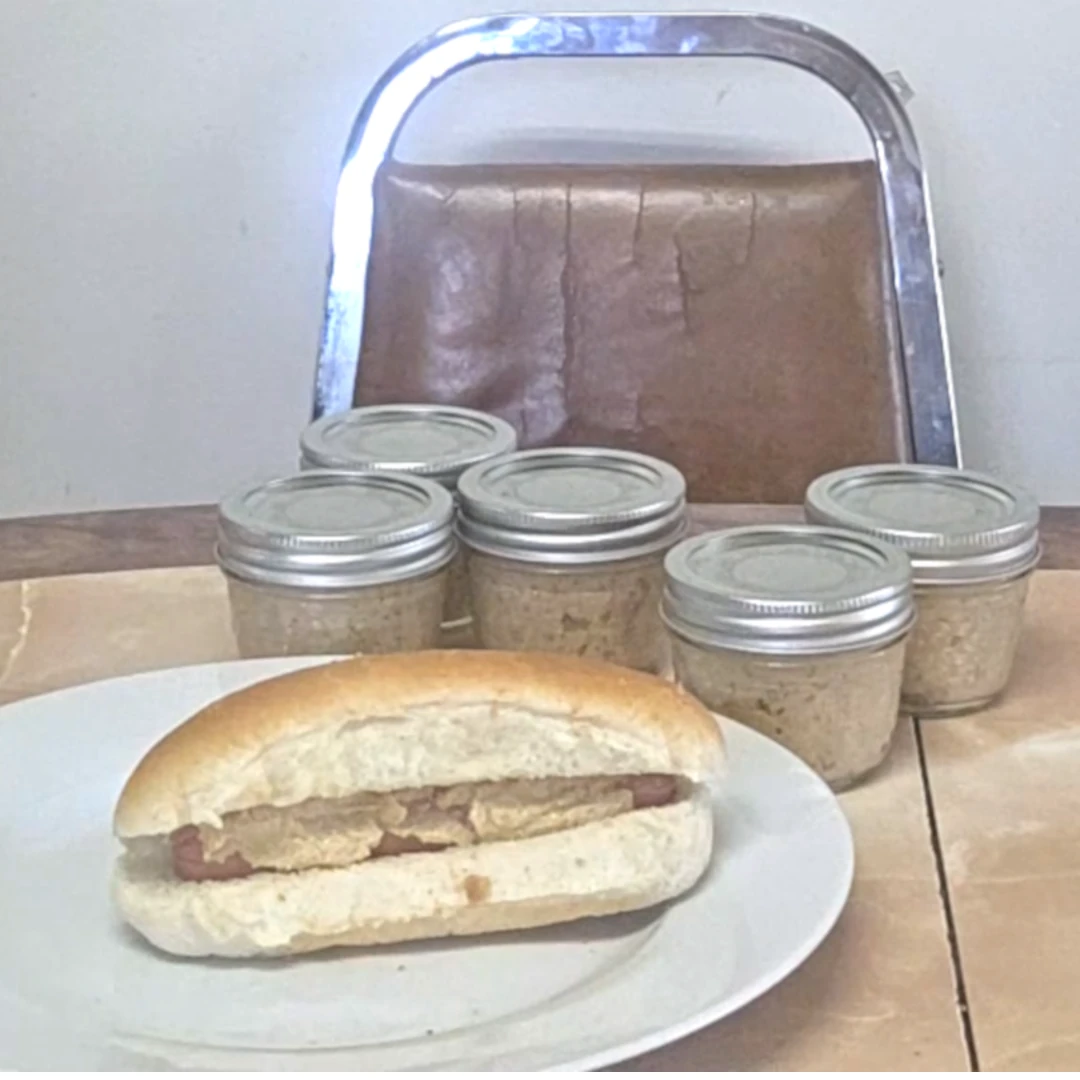
If you’ve never made your own Dijon mustard, it’s actually pretty simple. It just takes a bit of waiting in the middle, but the hands-on part is easy enough.
Start with a saucepan and add your chopped onion, white wine, white wine vinegar, salt, garlic, peppercorns, and rosemary. Put it on the stove, bring it up to a boil, then turn it down and let it simmer for about 15 to 20 minutes. You’re just looking for the onions to soften up. Give it a stir now and then so nothing sticks.
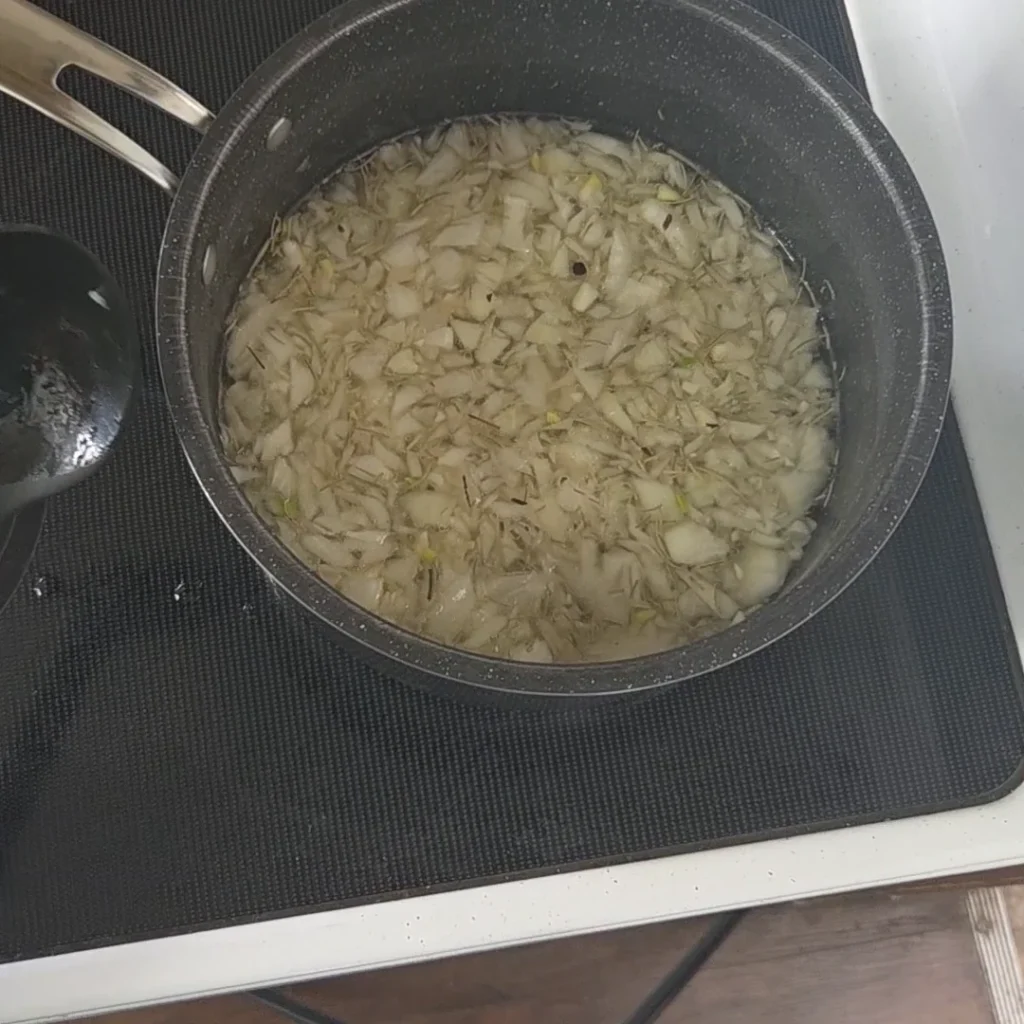
When that’s done, strain it into a bowl. You only want the liquid here, that’s where all the flavor is. The solids can be saved for something else if you feel like it.
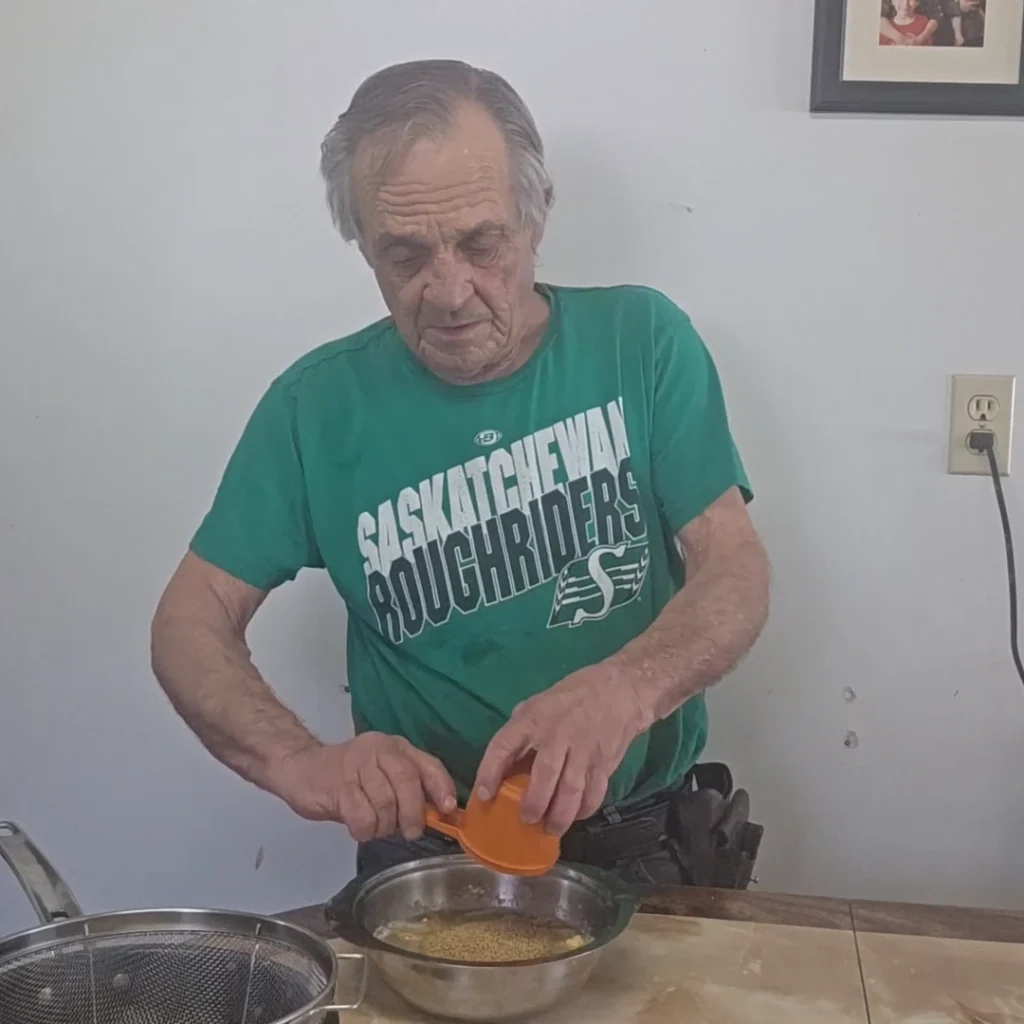
Now stir in the yellow mustard seeds and dry mustard. It’ll look thin and a bit rough, but that’s exactly how it should be. Cover it and leave it on the counter for a day. Somewhere between 24 and 48 hours works fine. I ended up at 26 hours.
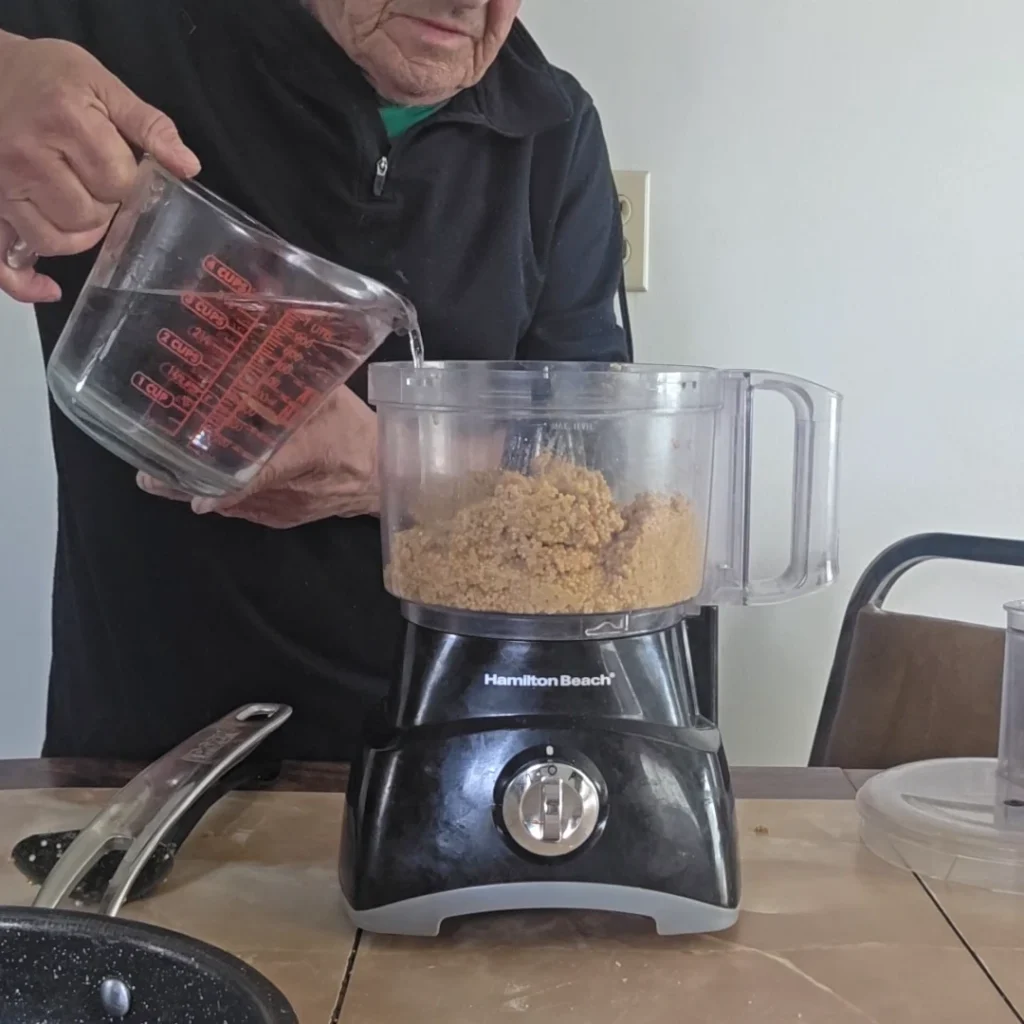
After it’s sat, pour everything into a blender or food processor. Let it run and add a bit of water at a time until it thickens up. You’re aiming for something like a loose porridge.
Once you’ve got the texture where you want it, pour it back into a saucepan. Bring it up to a boil again, then let it simmer uncovered for about 5 minutes.
While that’s going, get your jars warming up in hot water. Stick with the 125 ml (4 oz) jars here, since that’s what the canning time is based on. There isn’t a tested time for larger jars with this one, so it’s not worth guessing.
When the mustard’s ready, spoon it into the hot jars, leaving about 1/4 inch of headspace. Run something through to get rid of any air bubbles, then wipe the rims with a bit of vinegar so they’re clean.
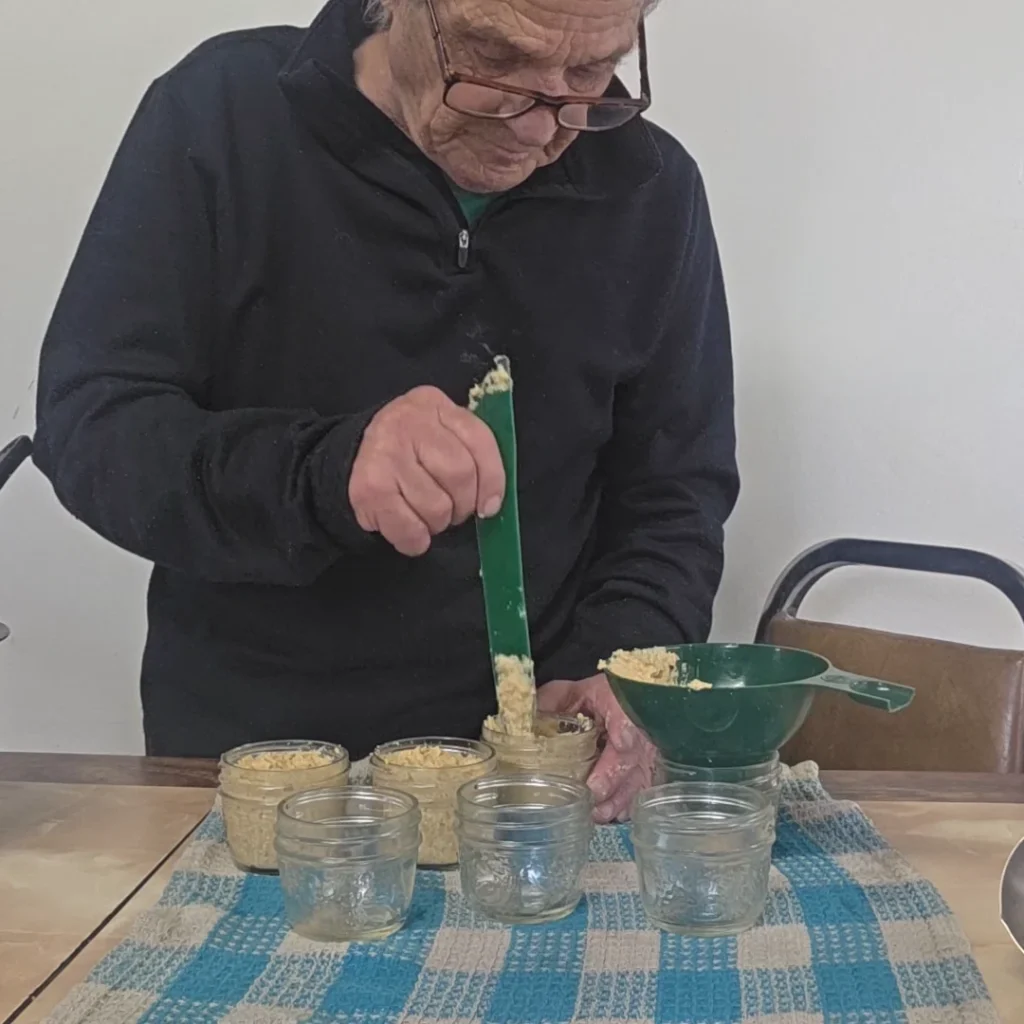
Put your lids on and screw the bands down finger tight.
Set the jars into your water bath canner and make sure the water covers them by at least an inch. I like to add a splash of vinegar to the canner water too, helps keep the jars from getting that cloudy film.
I didn’t have enough jars to fill the canner so I added a 1/2 pint and 2 1/4 pint jars filled with water to fill it.
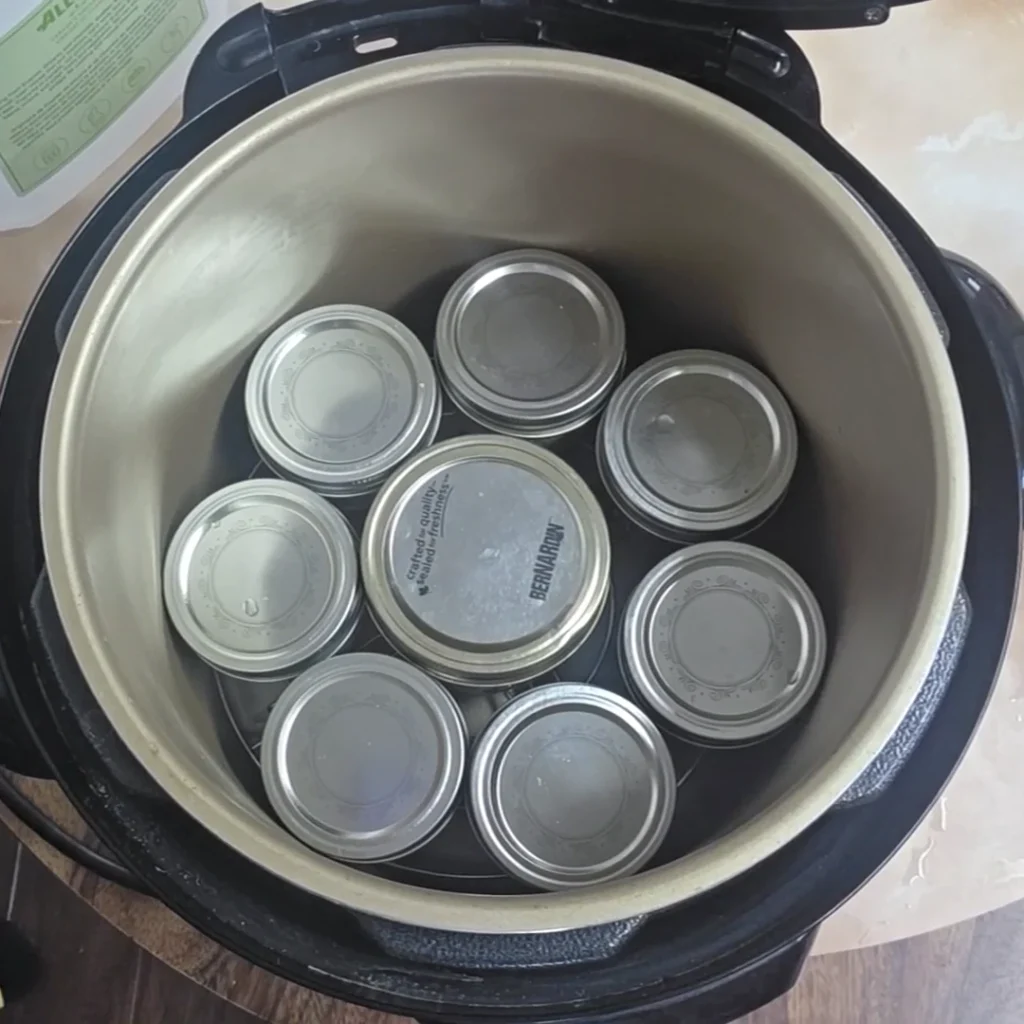
Put the lid on, bring it up to a full rolling boil, and once it’s boiling steady, start your time. Let it go for 10 minutes. If you’re above 1,000 feet, add another 5 minutes for every 1,000 feet. Keep it at a steady boil the whole time.
When the time’s up, turn off the heat, take the lid off, and let the jars sit in the canner for about 5 minutes. Then lift them out and set them on a towel somewhere they won’t be disturbed.
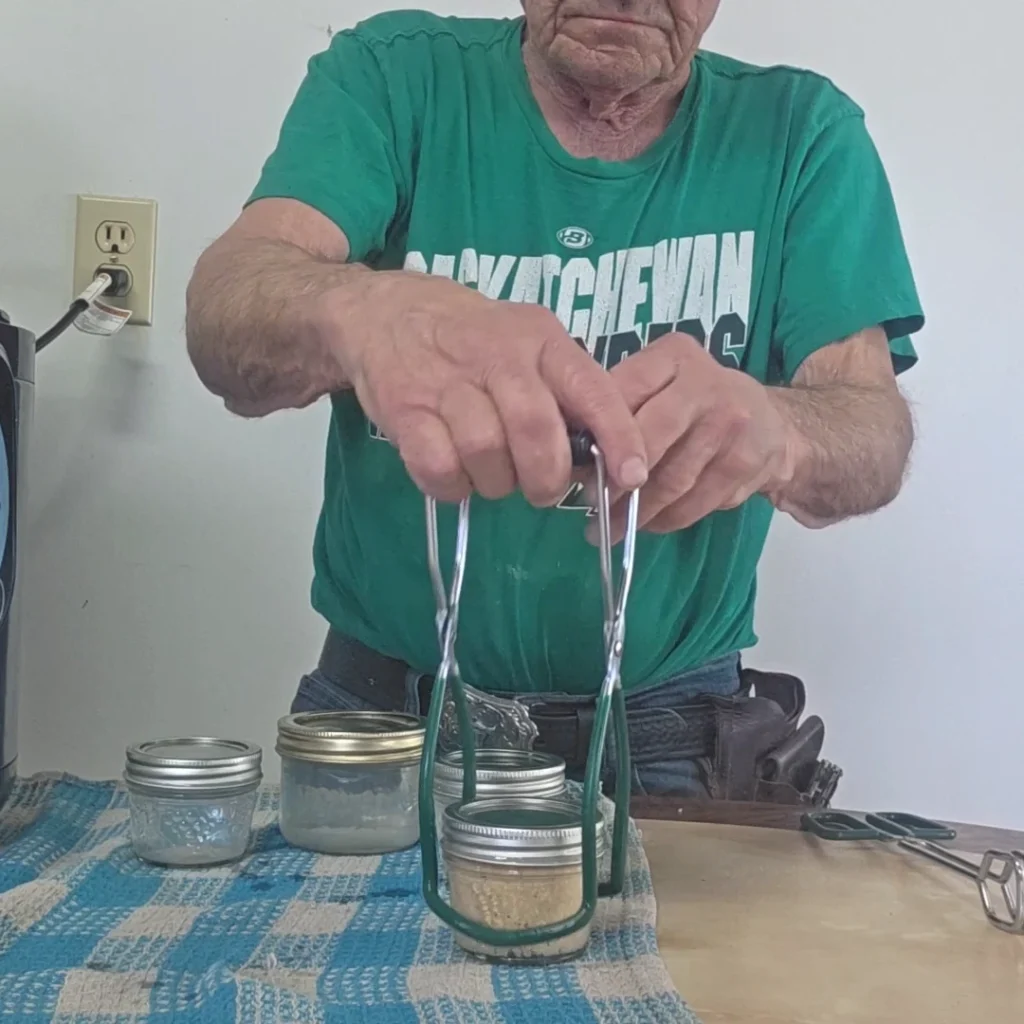
Leave them alone for 12 to 24 hours. After that, check your seals and you’re done.
If you can, give it a bit of time before opening a jar. The flavor mellows and comes together better after it sits for a while.
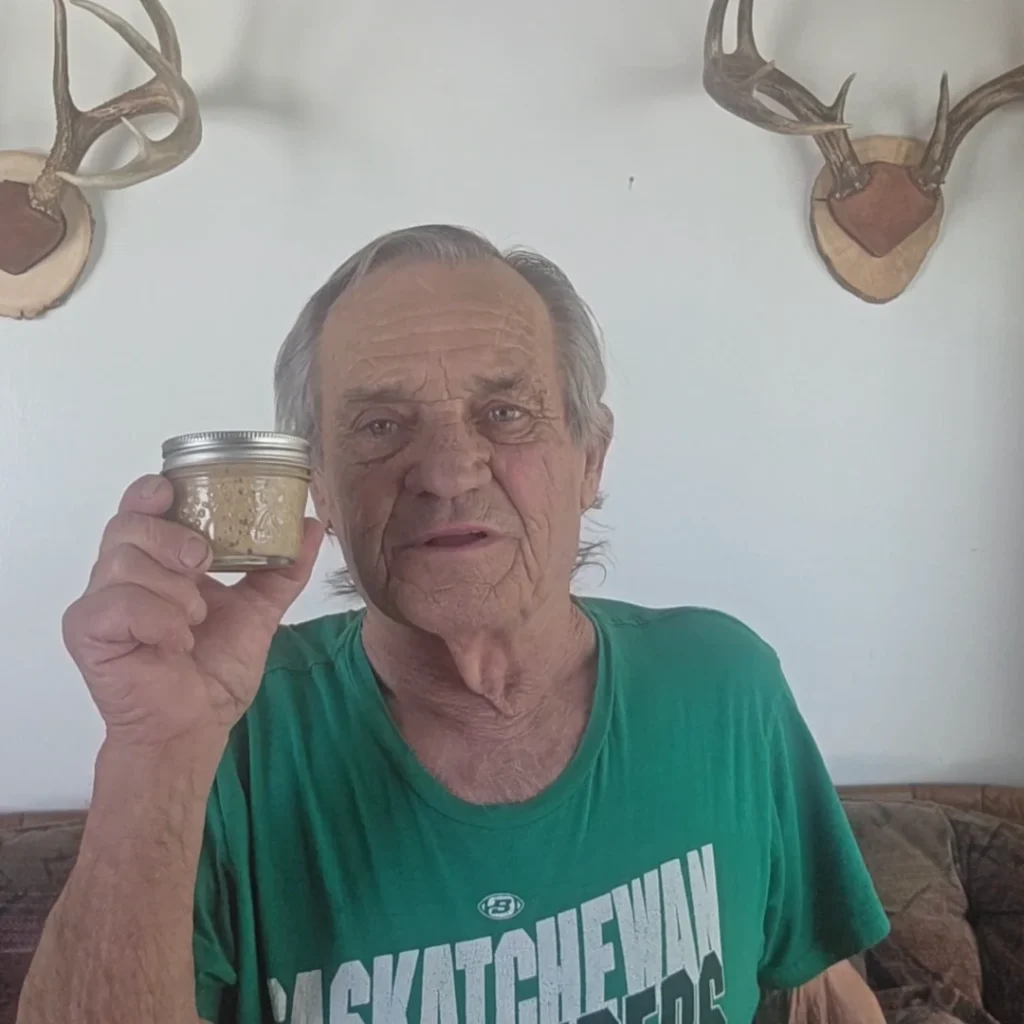
Homemade Dijon Mustard
Yield: About 6 x 125 ml (4 oz) jars
Ingredients
- 2 cups chopped onion
- 2 cups dry white wine
- 1 cup white wine vinegar
- 1 tsp pickling or kosher salt
- 1 1/2 tbsp crushed garlic
- 4 peppercorns
- 1 tsp dried rosemary
- 1 cup yellow mustard seeds
- 1/3 cup dry mustard
- 2 2/3 cups water
Instructions
Combine onion, white wine, white wine vinegar, salt, garlic, peppercorns, and rosemary in a saucepan. Bring to a boil, then reduce heat and simmer for 15 to 20 minutes until the onions are soft, stirring occasionally.
Strain the mixture into a bowl. Discard solids or save for another use.
Stir in mustard seeds and dry mustard into the strained liquid. Cover and let stand at room temperature for 24 to 48 hours.
Process in a blender or food processor, adding water gradually until the texture is like a loose porridge.
Transfer to a saucepan, bring to a boil, then simmer uncovered for 5 minutes.
While the mustard is cooking, heat clean 125 ml jars in hot water.
Fill jars leaving exactly 1/4 inch headspace. Remove air bubbles, wipe rims with vinegar, and apply lids and bands finger tight.
Process in a boiling water bath canner, ensuring jars are covered by at least 1 inch of water. Process for 10 minutes. Adjust time for altitude if needed.
Turn off heat, remove lid, and let jars rest in the canner for 5 minutes before removing.
Cool undisturbed for 12 to 24 hours, then check seals before storing.
Frequently Asked Questions
Can I use larger jars instead of 125 ml (4 oz)?
No. The recipe is only tested and timed for 125 ml jars, so sticking to that size ensures proper processing and consistent results.
Why do I have to let the mixture sit for 24 to 48 hours?
That resting time lets the mustard seeds fully absorb the liquid and develop the sharp Dijon-style flavour before blending and cooking.
Can I skip the blender step?
No. Blending is what turns the soaked seeds into the smooth, spreadable Dijon texture.
Why is vinegar used to wipe the jar rims?
It helps remove any residue or oils so the lids can seal properly during processing.
Do I need to process the jars in a water bath?
No. You can skip water bath canning and store the mustard in the fridge instead. The water bath step is only needed if you want shelf-stable pantry storage.
Why add vinegar to the canner water?
It helps reduce mineral buildup and keeps jars clearer during processing.
How long should I wait before using the mustard?
It’s best to let it sit a few days after processing so the flavour settles and smooths out.

Leave a Reply