
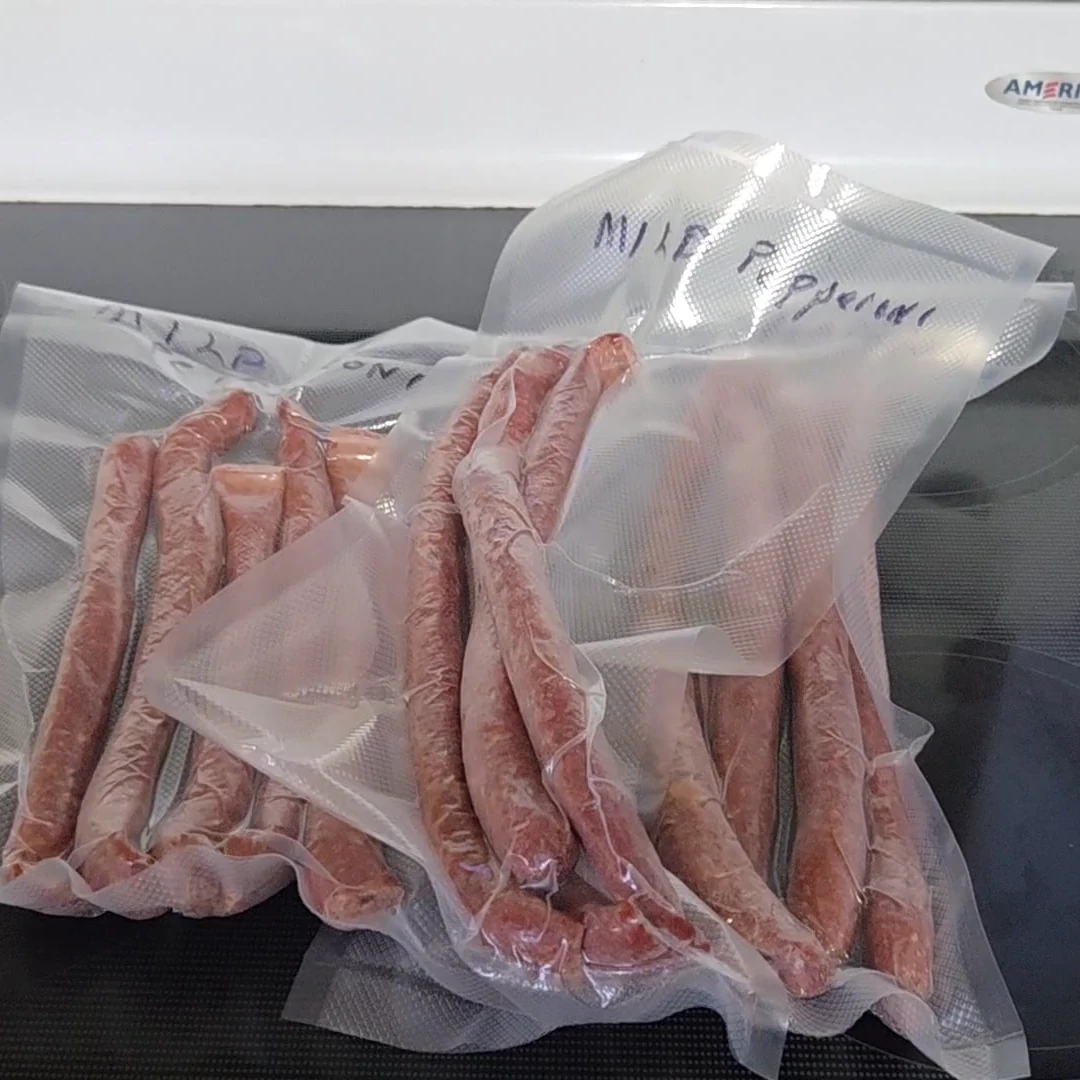
There are a lot of different ways to make pepperoni snack sticks, and this is just how I do mine. These aren’t the fermented and dried kind that hang for weeks. These are cooked and smoked snack sticks that stay juicy, have a good snap, and actually taste like pepperoni instead of dried salt.
This batch started as a small one. I only had about two and a half pounds of fine-ground beef, so everything was calculated down from my ten-pound recipe. Same ratios, just smaller numbers. That part matters more than people think, because guessing when you scale down is how things start tasting “off.”
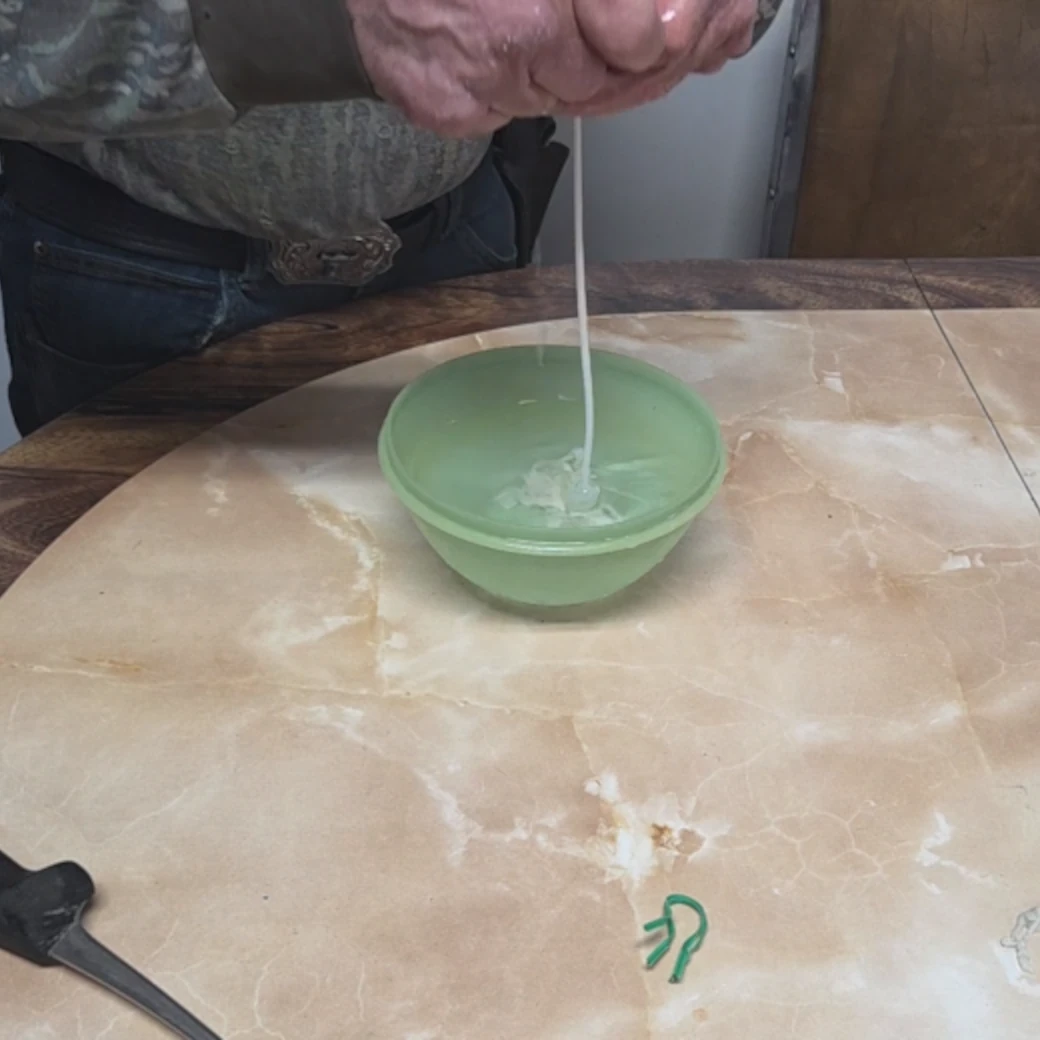
If I’m using sheep casings—and that’s my preference for snack sticks—I prep them the night before. It just makes the next day easier and the casings behave better. I rinse the salt off in cold water and make sure to run water through the inside too. After that, they go into a cold water soak with a little baking soda mixed in. Nothing fancy. About a teaspoon per quart. Distilled water is what I usually use, but tap water is fine. I rinse them again inside and out, then they sit in the fridge overnight.
The next morning is when everything comes together. Cure, salt—not table salt, always kosher or pickling—mustard seed, coarse black pepper, allspice, corn sugar, red pepper flakes, cayenne, binder, and water all get mixed first. I used milk solids for the binder this time, so I didn’t need as much water. That’s one of those things where you really want to read the binder instructions because some need more moisture than others.
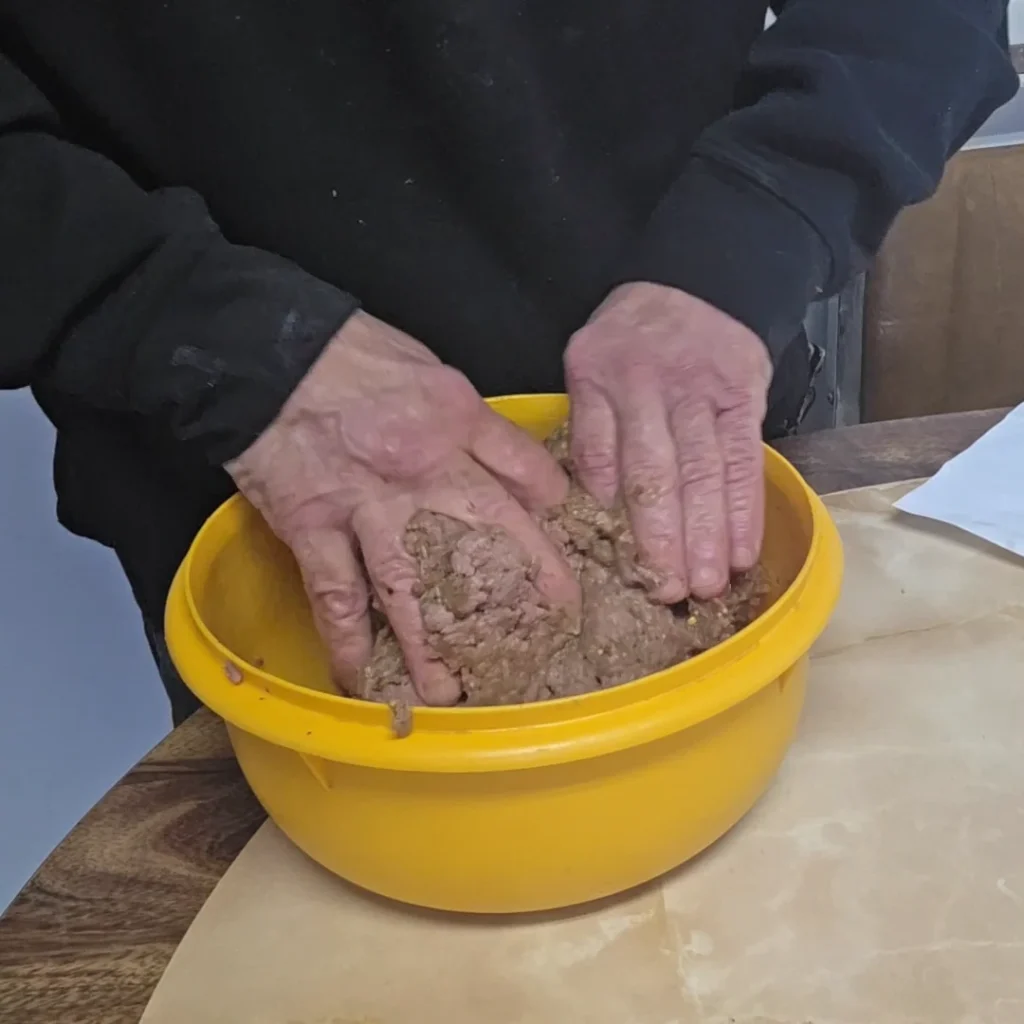
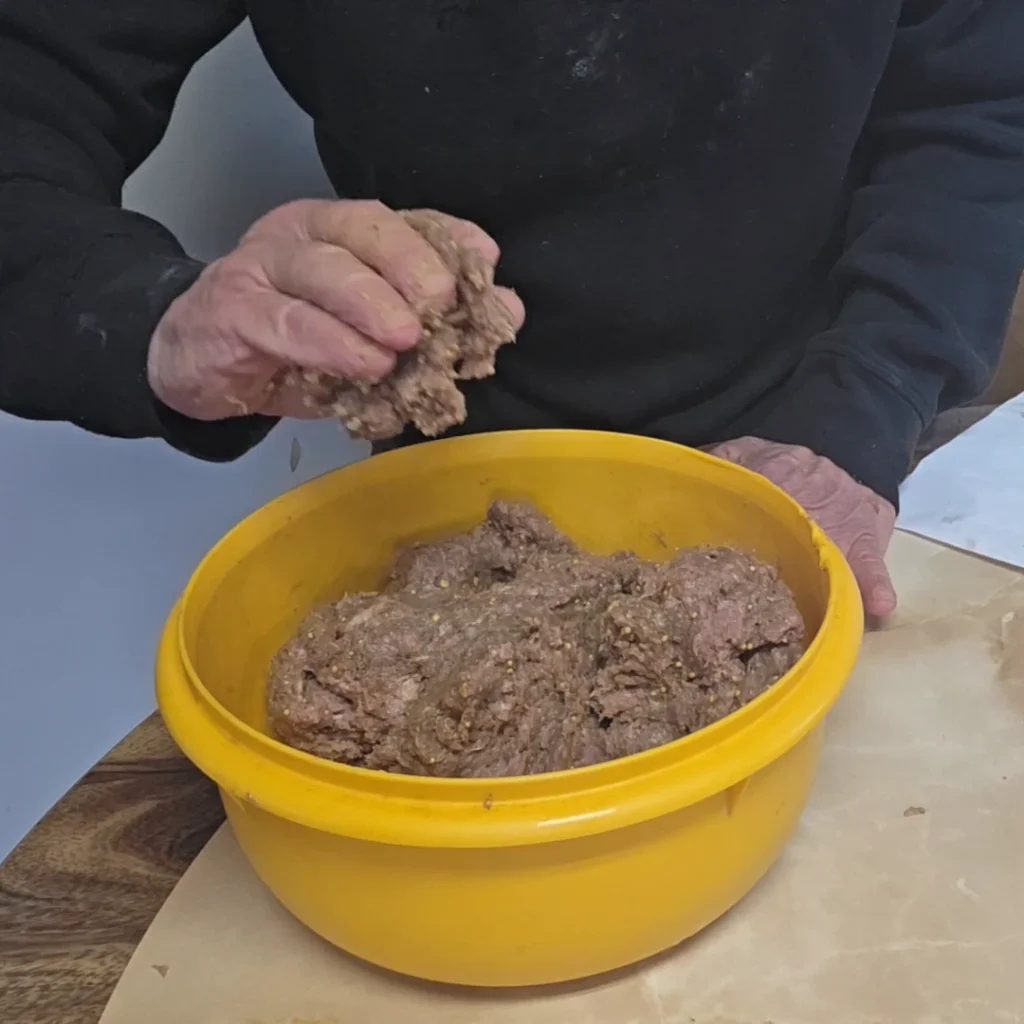
Once that’s ready, the ground meat comes out of the fridge and gets mixed thoroughly. You’re not just stirring here. You want it mixed enough that it gets tacky and starts sticking to your hand. That’s how you know the protein has developed properly. As soon as it hits that point, it goes right back into the fridge. Cold meat is one of the biggest keys to good sausage.
While that’s chilling, I get the sausage press set up. For small-diameter snack sticks, I really recommend a press instead of a grinder attachment if you have one. Grinder attachments work, but they warm the meat up while pushing it through tight casings, and that can lead to smearing and a softer texture. That said, use what you have. You can still make good snack sticks without every piece of equipment being perfect.
Once everything is loaded, I slide the sheep casing onto the tube and start stuffing. Because of the baking soda soak, you can stuff these pretty tight without worrying too much about blowouts. I go tighter than I normally would, within reason. For this batch, I wanted ten-inch sticks, so I measured out about twenty inches, pinched and cut, then folded them in half so they’d hang evenly.
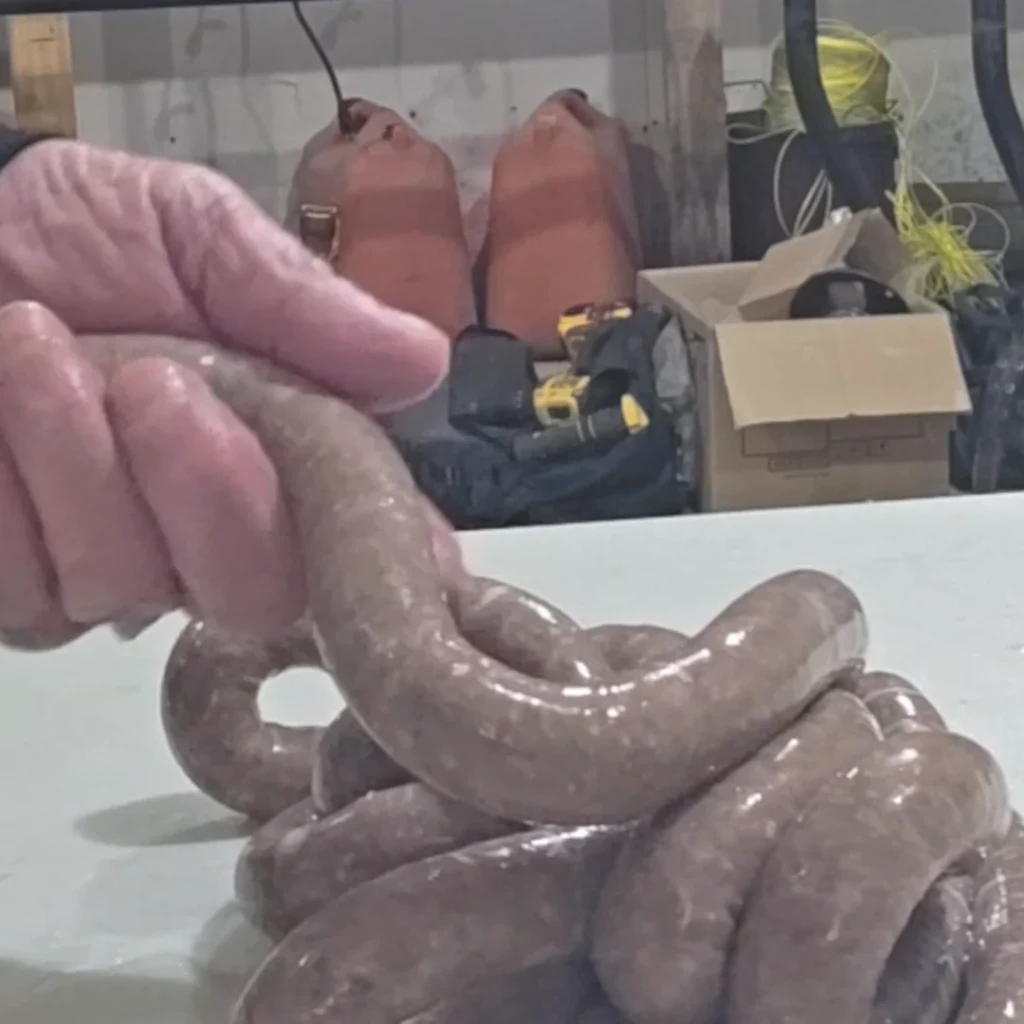
Normally at this point I’d let them rest in the fridge overnight, and that’s exactly what I did here too—except things didn’t go quite as planned. I was also making a jalapeño and cheese smoky on the same day, and the next morning my smoker temperature controller started acting up and then quit completely. By the time I figured out I needed a part, the sticks had already been sitting in the fridge an extra day. That wasn’t an issue at all. The real issue was smoking without temperature control.
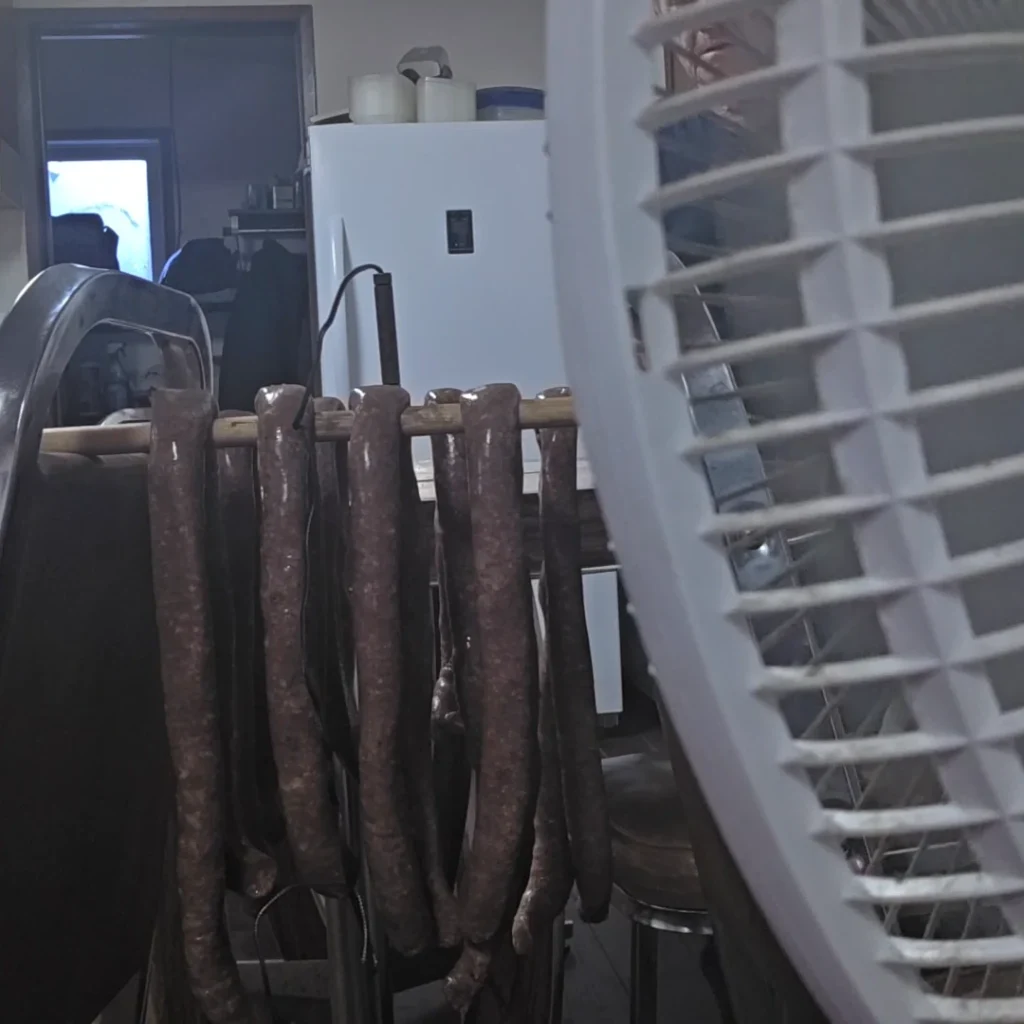
I got lucky. It was about minus twenty Celsius outside, so I dried the casings inside with a fan. The temperature climbed at about the same rate I would normally run anyway.
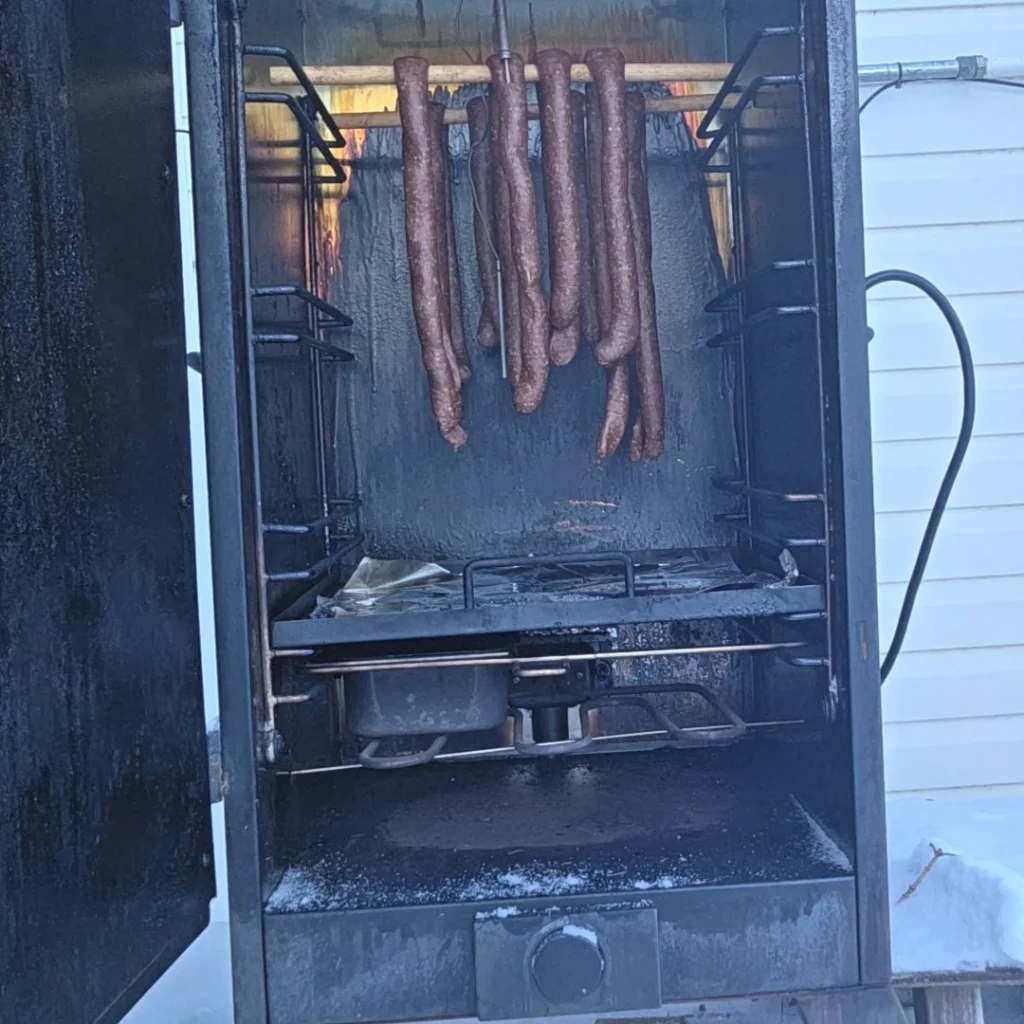
Once the internal temperature hit 152°F, they came out and went straight into ice water for about ten minutes. That stops the cooking and helps keep the fat where it belongs. After that, they hung until dry, then got wrapped and went back into the fridge overnight so the smoke and seasoning could mellow and even out.
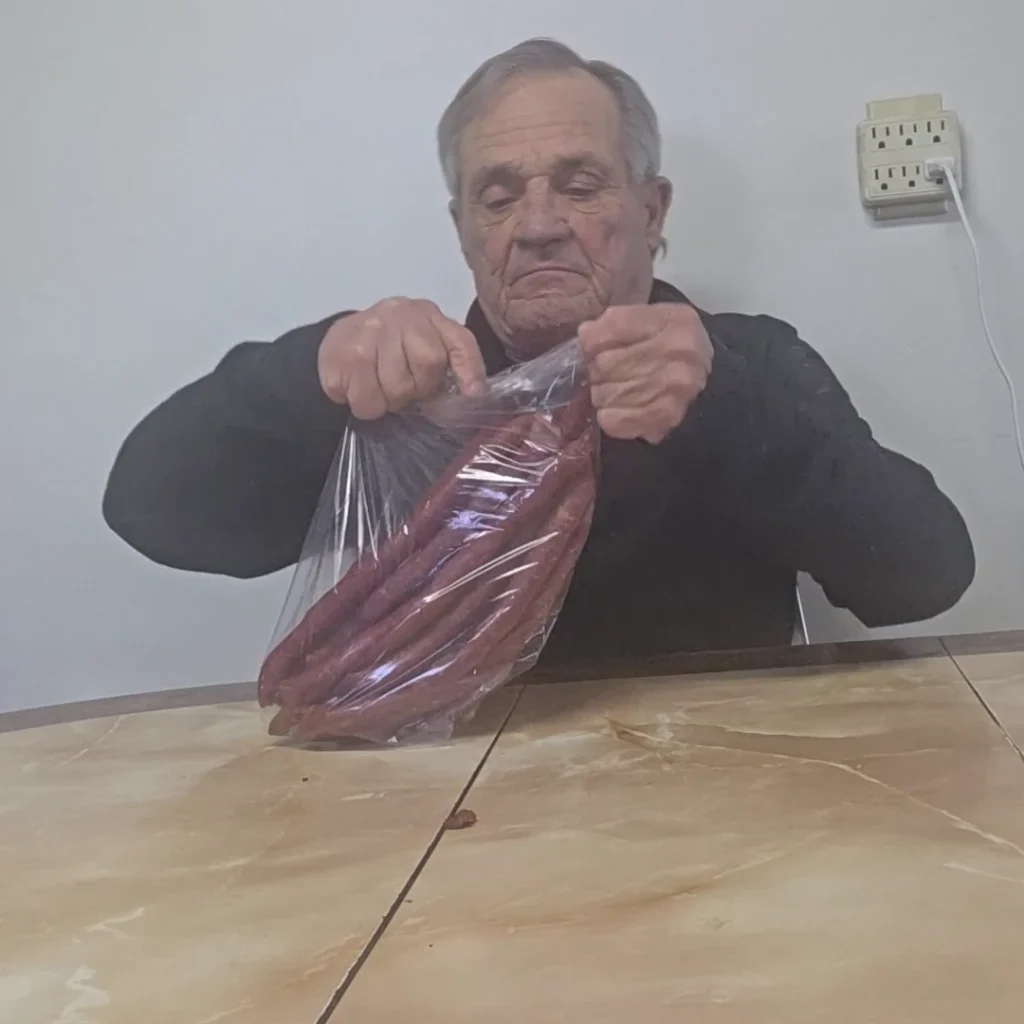
You can absolutely use a cure accelerator like sodium erythorbate and smoke the same day you stuff, but I still prefer an overnight rest in the fridge. It gives the cure and spices time to distribute evenly, and the flavor is always better for it.
If you’re planning to vacuum seal and freeze them, freezing them individually first is worth the extra step. Lay them out on a pan with wax paper, freeze them solid, then vacuum seal. They don’t get squashed, and it’s a lot easier to pull a few out later without thawing the whole bag.
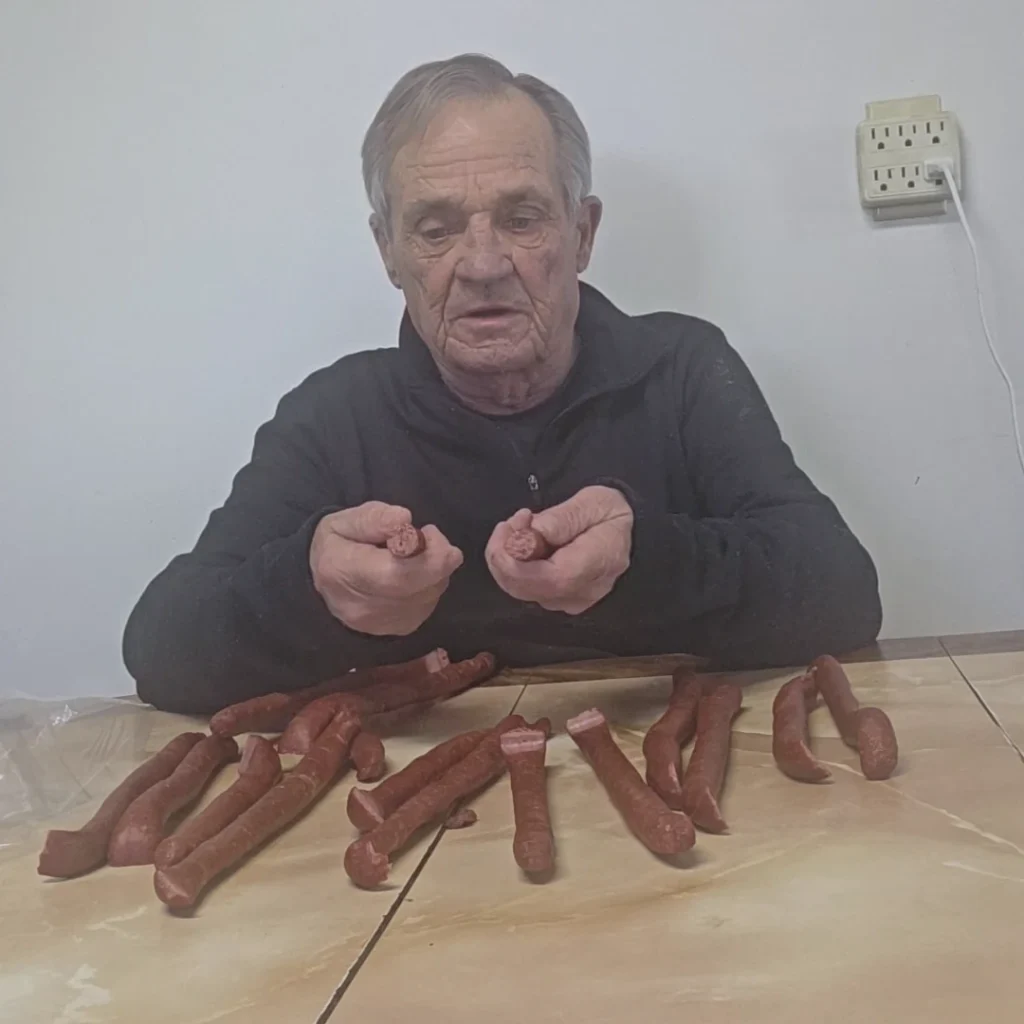
That’s really it. Nothing fancy, nothing complicated. Just keeping the meat cold, paying attention to temperature, and not rushing things. I’ll put the full recipe card below next so you’ve got all the measurements in one place.
Pepperoni Snack Sticks (Cooked & Smoked, No Fermentation)
These pepperoni snack sticks are juicy, flavorful, and cooked rather than fermented. Perfect for small batches or a full ten-pound recipe. Prep your casings the night before for the best results.
Ingredients (for 10 lbs of ground meat)
- 10 lb ground meat (beef, pork, or mixture)
- 2 tsp cure #1
- 8 tsp kosher or pickling salt
- 4 tsp whole mustard seed
- 6 tsp coarse ground black pepper
- 1 tsp allspice
- 3 tsp anise
- 6 tsp fennel seeds
- 1 tbsp corn sugar
- 2 tbsp red pepper flakes (adjust for heat)
- 2 tbsp ground cayenne pepper (adjust for heat)
- 2 cups soy or whey protein (or binder of choice)
- 4 cups ice water (if using milk solids only 2 cups water)
Instructions
Step 1: Prep Casings
Rinse sheep casings in cold water inside and out, then soak overnight in cold water with 1 tsp baking soda per quart. Keep in fridge until ready to stuff.
Step 2: Mix Meat & Spices
Combine cure, salt, mustard seed, black pepper, allspice, corn sugar, red pepper flakes, cayenne, and binder with water. Mix into ground meat thoroughly until it sticks to your hand. Keep meat cold while prepping for stuffing.
Step 3: Stuff Casings
Slide soaked casing onto sausage tube. Use a press (or grinder attachment if necessary) to stuff meat mixture into casings, tight but not overstuffed. Measure out sticks, pinch, cut, and fold as desired.
Step 4: Smoke & Cook
Preheat smoker to about 125°F. Dry casings for 1–2 hours, then smoke starting around 135°F. Gradually raise temp: 145°F for 2 hours, then up to 160°F. Finish at internal temperature of 152°F. Avoid exceeding 180°F to prevent fat rendering.
Step 5: Ice Bath & Rest
Remove sticks at 152°F internal temp and immerse in ice water for 10 minutes. Hang until dry, then wrap and refrigerate overnight to 3 days to let smoke and flavor meld.
Step 6: Freeze & Store (Optional)
For vacuum sealing and freezing, freeze sticks individually on a tray first, then vacuum seal. This prevents them from getting squashed and makes it easy to pull a few sticks later.
Frequently Asked Questions
Do I have to use sheep casings?
No, you can use other natural or even synthetic casings, but sheep casings give the best snap and are easier to stuff tightly, especially for small-diameter sticks.
Can I make these smaller than 10 pounds?
Absolutely. I often scale my recipe down to 2–3 pounds. Just make sure to adjust the spices proportionally so the flavor stays balanced.
Do these need to ferment?
Nope. These are fully cooked and smoked snack sticks. Fermentation is for the dry, shelf-stable type, but these are juicy and ready after smoking and resting.
How long do they keep?
Once smoked and rested, they’ll last a few days in the fridge. You can freeze them for longer storage—freeze individually first, then vacuum seal to prevent squashing.
Can I make them spicier?
Definitely. I like to adjust the cayenne and red pepper flakes to taste. Double or triple for a serious kick, or keep it mild—your call.
Do I need a sausage press?
You don’t have to, but it makes stuffing small casings easier and keeps the meat from smearing. A grinder attachment works if that’s what you have.
What’s the ideal smoker temperature?
Start low and go slow. Begin around 125–135°F, then gradually raise to finish around 160–175°F. Don’t exceed 180°F unless you want to risk rendering the fat.

Leave a Reply