
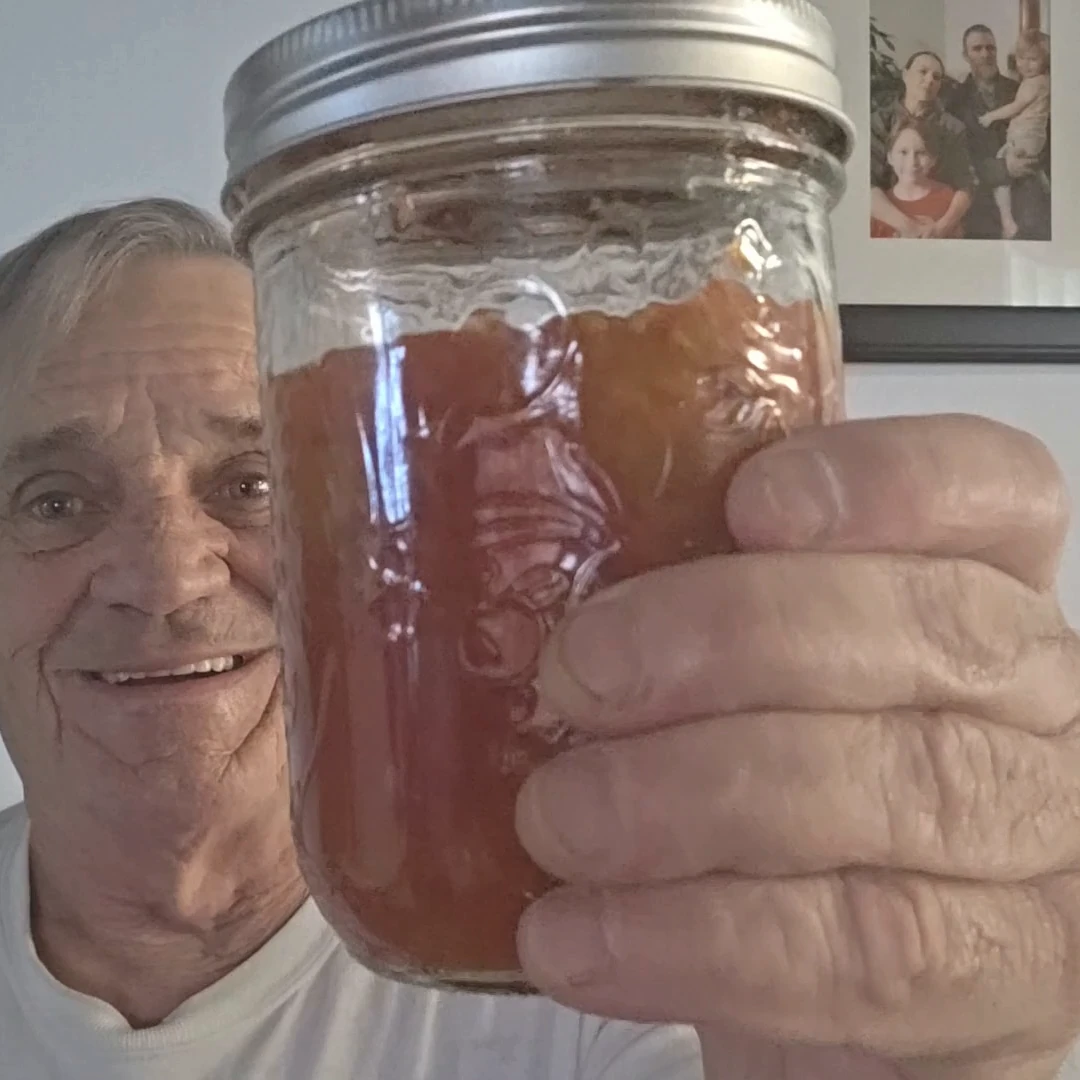
Sometimes the tomatoes decide what you’re making, not the other way around.
In this case, I started with frozen Roma tomatoes. My original plan was diced tomatoes, but once they were thawed, that idea went out the window. Frozen tomatoes don’t dice cleanly, and forcing it just turns into a mushy mess. Since the texture was already breaking down, crushed tomatoes made far more sense.
I picked out the larger tomatoes for this batch and set the smaller ones aside for sauce. The smaller ones work better for sauce anyway since I’ll be boiling them longer with the skins on. For these crushed tomatoes, I only peeled them — no coring or seeding. These were Roma tomatoes, and even though they were small for Romas, they really don’t need it, especially for crushed tomatoes.
A lesson learned the hard way
The first time I did this, I didn’t fully thaw the tomatoes. After processing, it hit me that they might not have cooked all the way through. Rather than take a chance, I threw that batch out. It’s frustrating, but when it comes to canning, if there’s any doubt at all, the safest option is to discard it.
The second batch was fully thawed and properly cooked before going into the jars.
Yield and prep
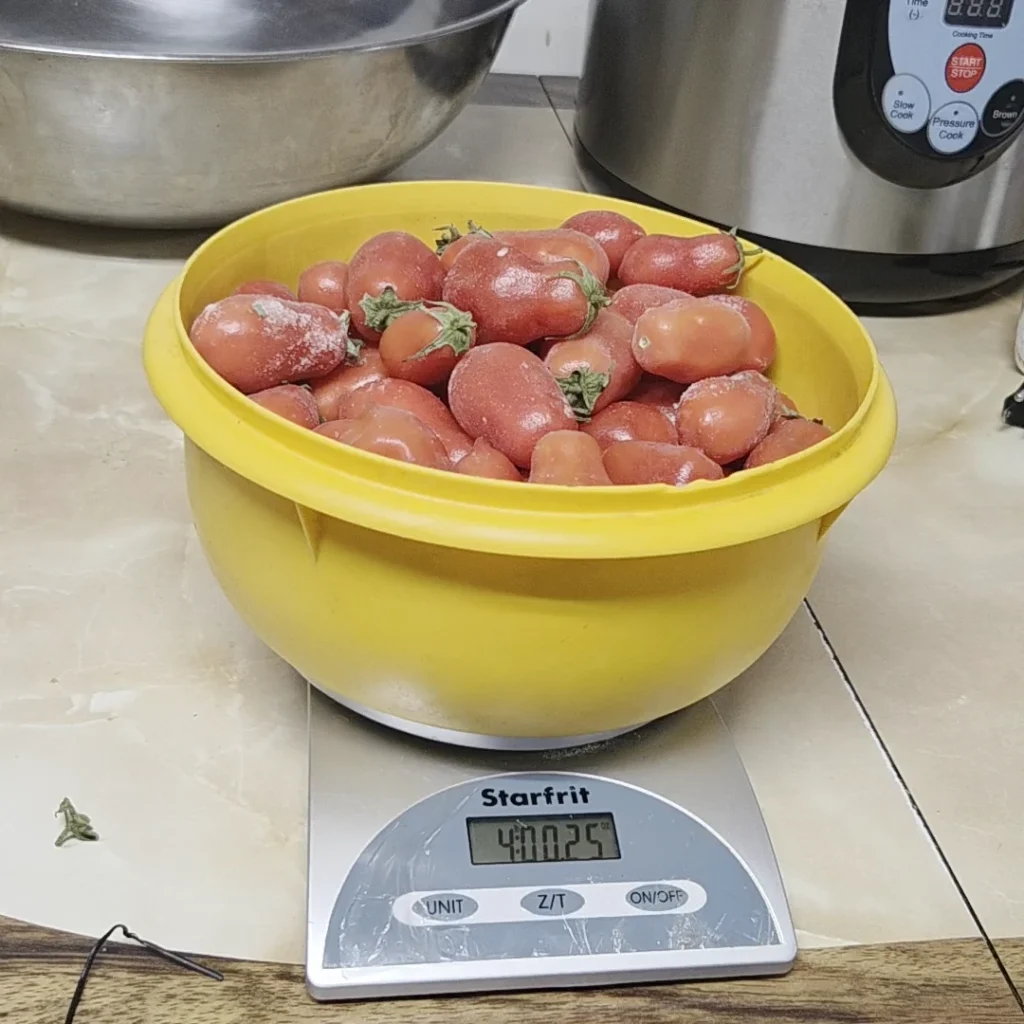
I weighed out 7 pounds of tomatoes, which gave me 5 pints of crushed tomatoes. This was done using the no-liquid method, meaning no added water or tomato juice — just tomatoes packed into the jars.
Because I was using the no-liquid method, I matched temperatures to help prevent jar breakage:
- Cold food into cold jars
- Warm food into warm jars
- Hot food into hot jars
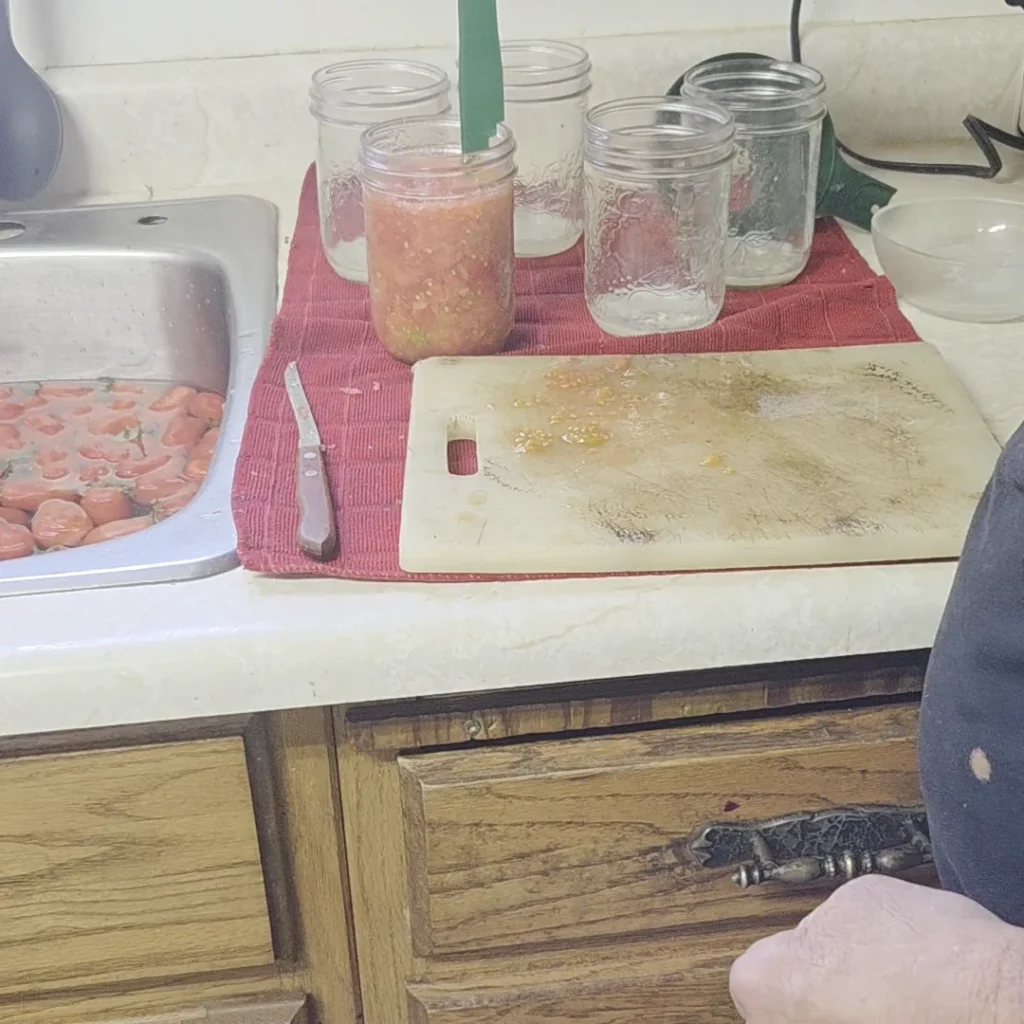
In this case, the tomatoes were not boiling hot, so I used room-temperature jars rather than preheating them.
Acidification and headspace
Even when pressure canning, tomatoes must be properly acidified. For each pint jar, I added:
- 1 tablespoon bottled lemon juice (Real Lemon)
- ½ teaspoon pickling salt
Since this was pressure canned, I used 1 inch of headspace, not the ½ inch used for boiling water bath canning.
Pressure canning (important clarification)
These jars were processed in a Carey electric pressure canner.
The processing time comes from tested pressure-canning guidelines and does not change based on the brand of canner. What does vary is how different canners are operated — how they build pressure, regulate it, and cool down. That’s why you follow your canner’s operating instructions while using the tested processing time.
- Processing time: 15 minutes
- Jar sizes: Pints and quarts
After processing, I removed the jars and let them sit undisturbed overnight.
Final results
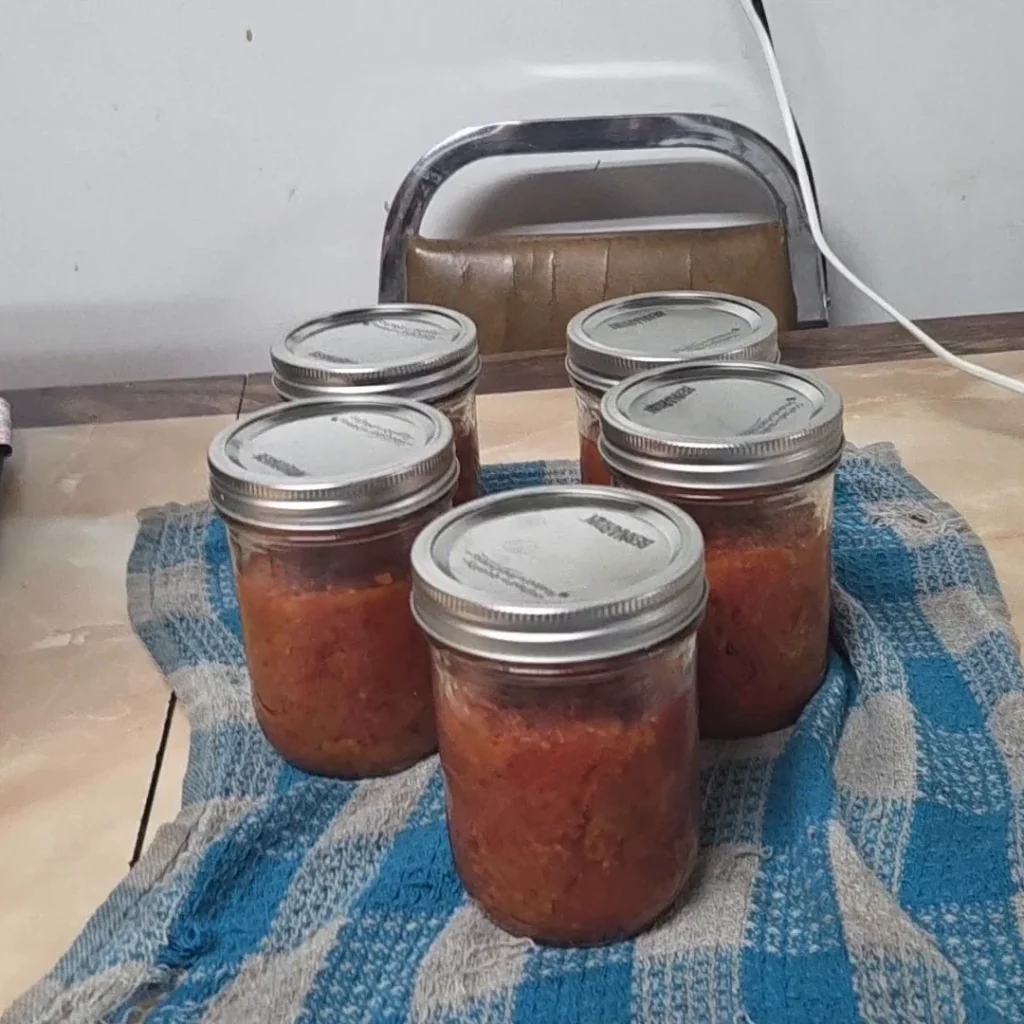
All jars sealed properly. The tomatoes turned out well, though there was noticeable shrinkage in the jars. That’s common with the no-liquid method, as the tomatoes cook down during processing. As long as the jars seal and proper headspace was used, this kind of shrinkage is normal and safe.
Overall, this was a solid batch and a good reminder that frozen tomatoes work just fine for canning — as long as they’re fully thawed and properly cooked first.
Pressure Canned Crushed Tomatoes (No-Liquid Method)
Yield: 5 pints
Canner: Pressure Canner
Processing Time: 15 minutes
Ingredients
- 8 lbs Roma tomatoes (previously frozen and fully thawed)
- Bottled lemon juice (Real Lemon)
- Pickling salt
Per Pint Jar
- 1 tablespoon bottled lemon juice
- ½ teaspoon pickling salt
Instructions
- Fully thaw frozen tomatoes.
- Peel tomatoes; do not core or seed.
- Crush tomatoes by hand or with a utensil.
- Prepare clean, room-temperature jars.
- Add lemon juice and pickling salt to each jar.
- Pack crushed tomatoes using the no-liquid method.
- Remove air bubbles and adjust headspace to 1 inch.
- Wipe jar rims and lids with a paper towel.
- Apply lids and tighten bands finger tight.
- Pressure can using tested processing times, following your canner’s operating instructions:
- 15 minutes for both pints and quarts
- Remove jars and let cool undisturbed for 12–24 hours.
- Check seals, label, and store.
Frequently Asked Questions
Can I use frozen tomatoes for canning?
Yes. Frozen tomatoes work well for crushed tomatoes, but they must be fully thawed and properly cooked before canning.
Why didn’t you core or seed the tomatoes?
Roma tomatoes generally don’t need coring or seeding, especially for crushed tomatoes. These were small Romas, so it wasn’t necessary.
Why is bottled lemon juice required?
Bottled lemon juice has a standardized acidity level. Fresh lemon juice can vary and isn’t considered reliable for safe acidification.
Why is there shrinkage in the jars?
Shrinkage is common with the no-liquid method. The tomatoes cook down during processing, reducing volume.
Is shrinkage safe?
Yes, as long as proper acidification was used, the correct headspace was maintained, and the jars sealed properly.
Do processing times change by canner brand?
No. Processing times come from tested guidelines and do not vary by canner brand. Only the operation of the canner itself varies.
Why was the first batch discarded?
The tomatoes were not fully thawed, and I couldn’t be confident they cooked completely. When in doubt, it’s safest to discard.

Leave a Reply