
People hear “don’t change canning recipes” and assume it means you have to follow them like a legal contract. Then they hear someone say you can adjust things and it sounds like the rules don’t know what they’re doing.
Really it comes down to one simple line:
You’re preserving food, not just cooking it.
So the question isn’t can I change it, the question is does this change affect safety or just flavor?
If it only affects flavor, you’re usually fine.
Vinegar is a good example. The jar doesn’t care if it came from apples or grain – it cares about acidity. As long as it’s 5%, white and cider can trade places.
In fact when I made canned ketchup I had to use white vinegar instead of the apple cider the recipe called for because my apple cider was only 4.5%.
Same recipe, same acid level, safe jars.
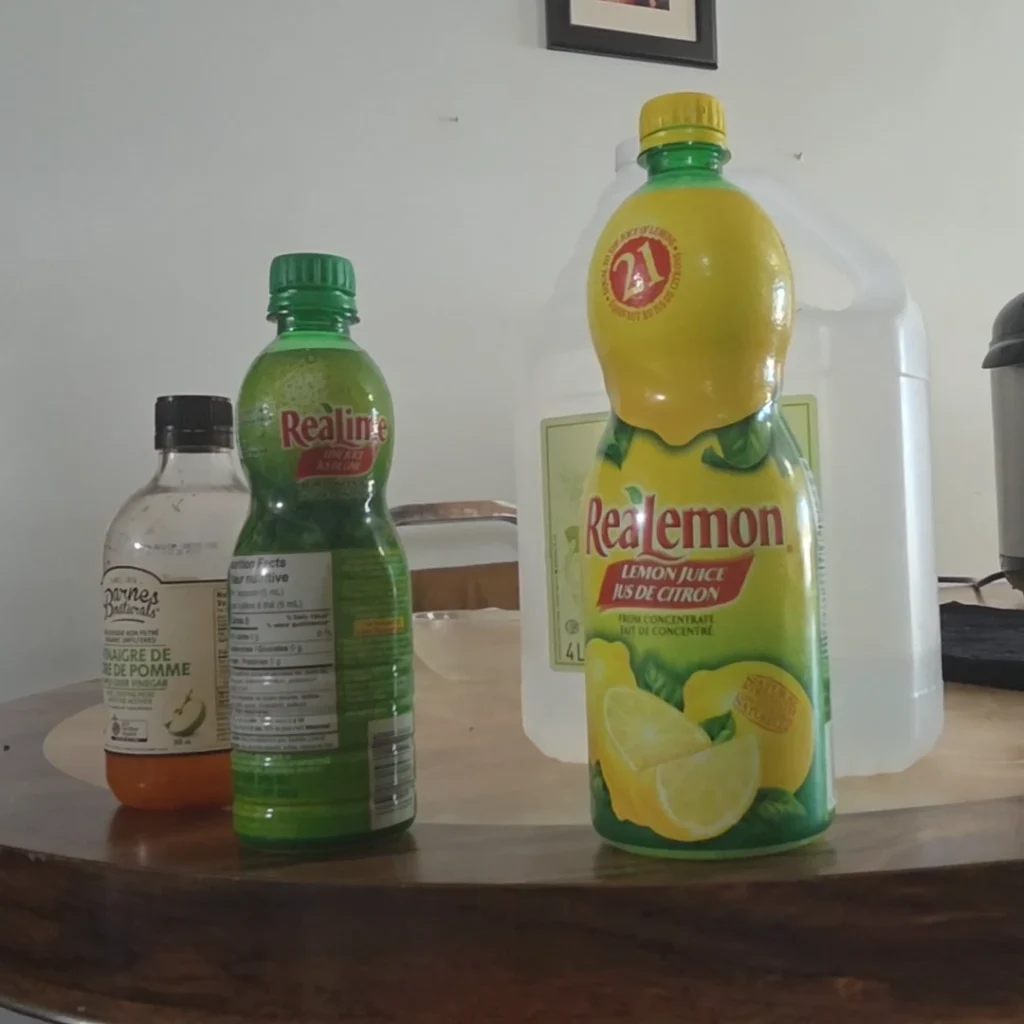
Bottled lemon and lime juice work the same way with each other because they’re standardized. But once you start guessing at replacing them with vinegar, that only works where a recipe gives exact amounts, like with tomatoes. That isn’t experimenting – that’s following an approved option.
Salt worries people but in most canned foods it’s there for taste. Cut it down, leave it out, the jars will still keep. The big exception is fermentation. There the salt is the preservative, so you don’t mess with it.
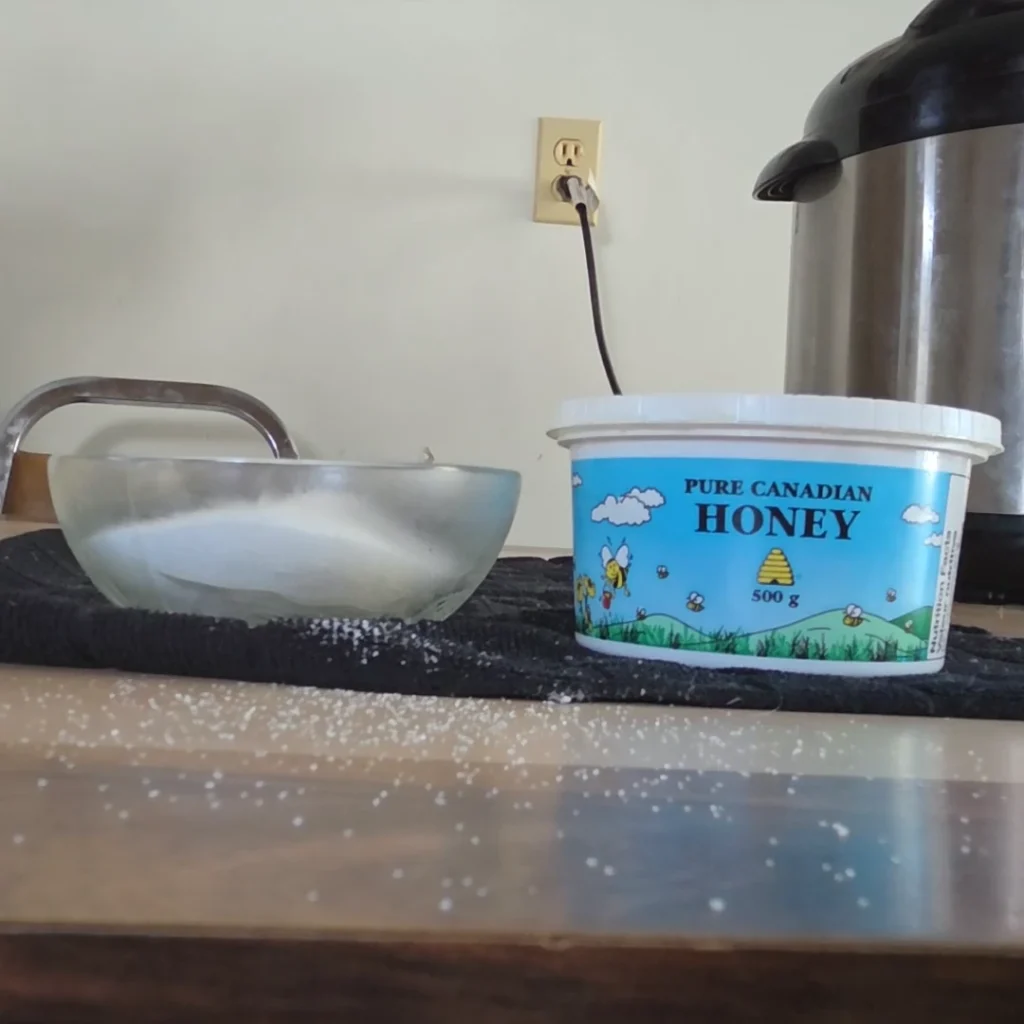
Sugar mostly controls taste, but in jam it also affects the gel. You can swap some sugar for honey, but you have to be careful with the amount. With pectin, you can replace up to 1 cup of sugar with 1 cup of honey for every 6-pint batch. Without pectin, you can replace about half the sugar with honey. In both cases, you need to reduce the other liquid in the recipe by the same amount of honey you’re adding, because honey adds moisture. Don’t just guess – follow these ratios and the jam will set properly.
Then there’s spices. Dried herbs are easy to play with. What you don’t want to do is start tossing fresh handfuls into the product itself because now you’re adding water and thickness changes. Small additions – like a clove of garlic in a jar – are tiny enough not to matter for safety, but they can get strong after sitting awhile.
Vegetables follow a simple rule: you can swap types, not amounts. Want hotter peppers? Change the variety, not the quantity. Red onion instead of white? Fine. Packing in extra onions? Now you’ve changed the recipe.
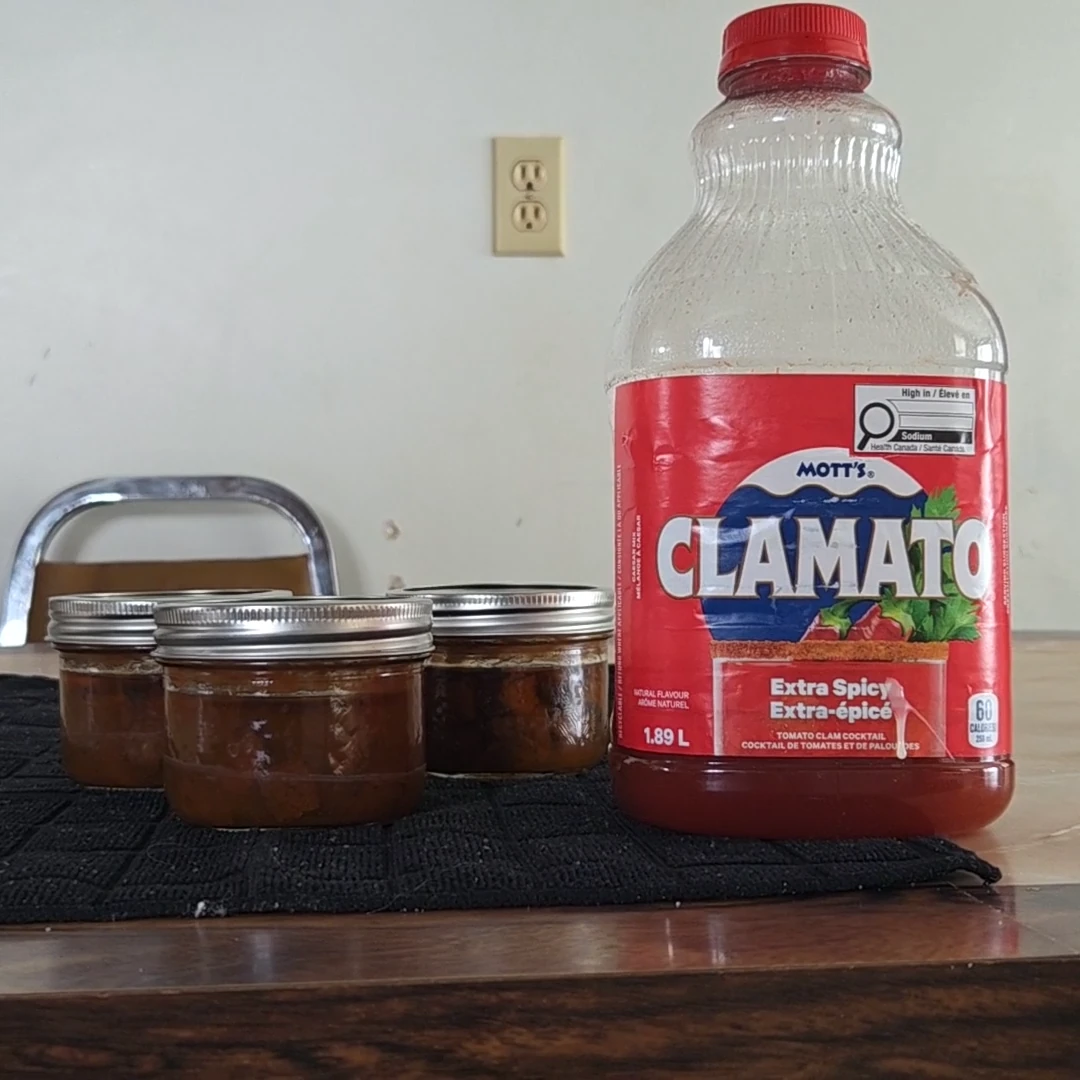
Canning meats water, broth or tomato based juices such as tomato juice, Clamato juice or V8 are all safe. With the latter 2 I would eliminate the salt because they are pretty salty in themselves.
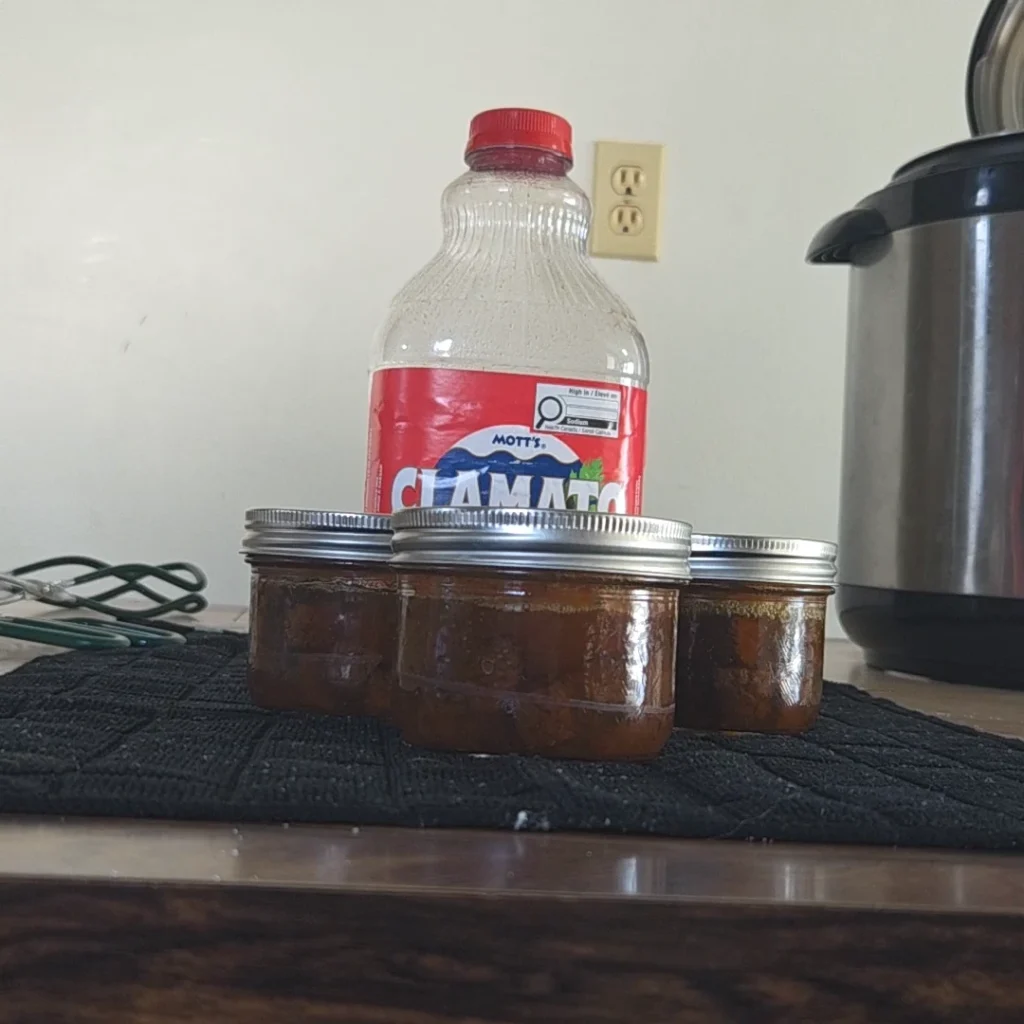
Jar sizes follow the same thinking. Smaller is safe because heat reaches the center faster. Bigger isn’t unless the recipe says so.
So in practice you actually have quite a bit of freedom – just stay inside boundaries.
You can adjust how it tastes, smells, and feels on the plate.
You don’t adjust acidity, thickness, packing density, or processing time.
Once you see that difference, the rules stop feeling strict and start feeling predictable.

Leave a Reply