
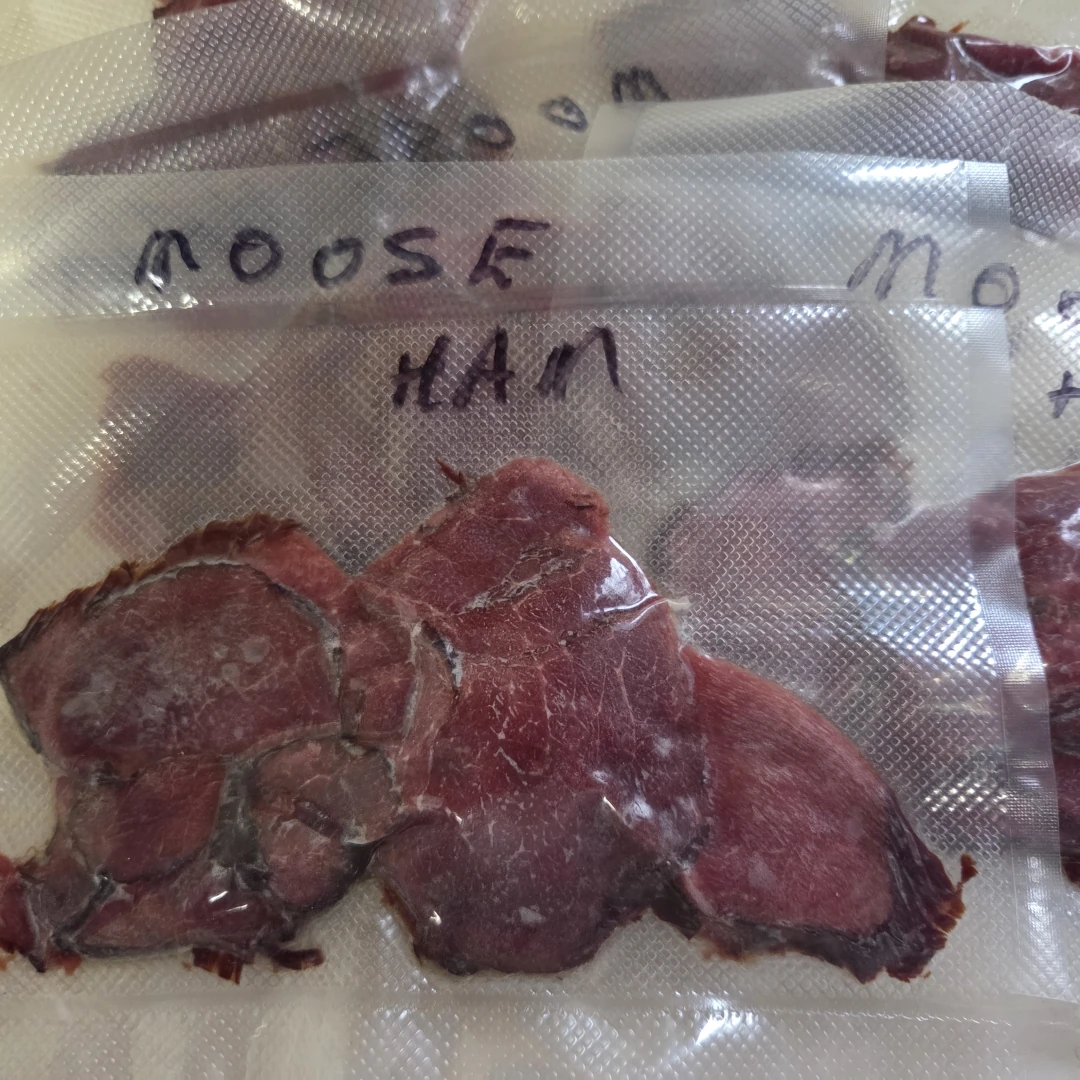
If you’ve ever looked at a venison roast and thought, this would make a great ham, you’re absolutely right. With a basic wet brine, cure #1 for safety, and a low-and-slow smoke, you can turn lean wild game into a fully cooked, sliceable ham that works just as well for sandwiches as it does for frying.
I used moose but, deer, elk, bison, and even beef all work using the exact same process.
The Cut I Used
For this batch, I used a 1½ pound outside round roast. Outside round is a great choice because it’s lean, fairly uniform in thickness, and cures evenly. As long as your roast is similar in size and shape, you can follow this process without any changes.
The Brine I Used
This is a wet brine that balances salt, sugar, and a little acidity, with warm spice notes that work especially well with wild game. I started with one gallon of water and added granulated sugar, pickling salt, brown sugar, maple syrup, lemon juice, garlic powder, onion powder, allspice, and black pepper.
I brought everything to a boil just long enough to dissolve the salt and sugars, then removed it from the heat and let it cool completely.
Only after the brine was fully cooled did I stir in two tablespoons of cure #1. Adding cure to hot liquid will degrade it and it won’t properly protect the meat from botulism.
How Long to Brine the Meat
A simple rule of thumb for whole-muscle curing is one day of brining for every quarter inch of thickness, plus two extra days. My roast was right around two inches thick, which worked out to ten days total.
Anything thicker than two inches should be injected. Even though mine was right on the edge, I injected it anyway to make sure the cure was distributed evenly.
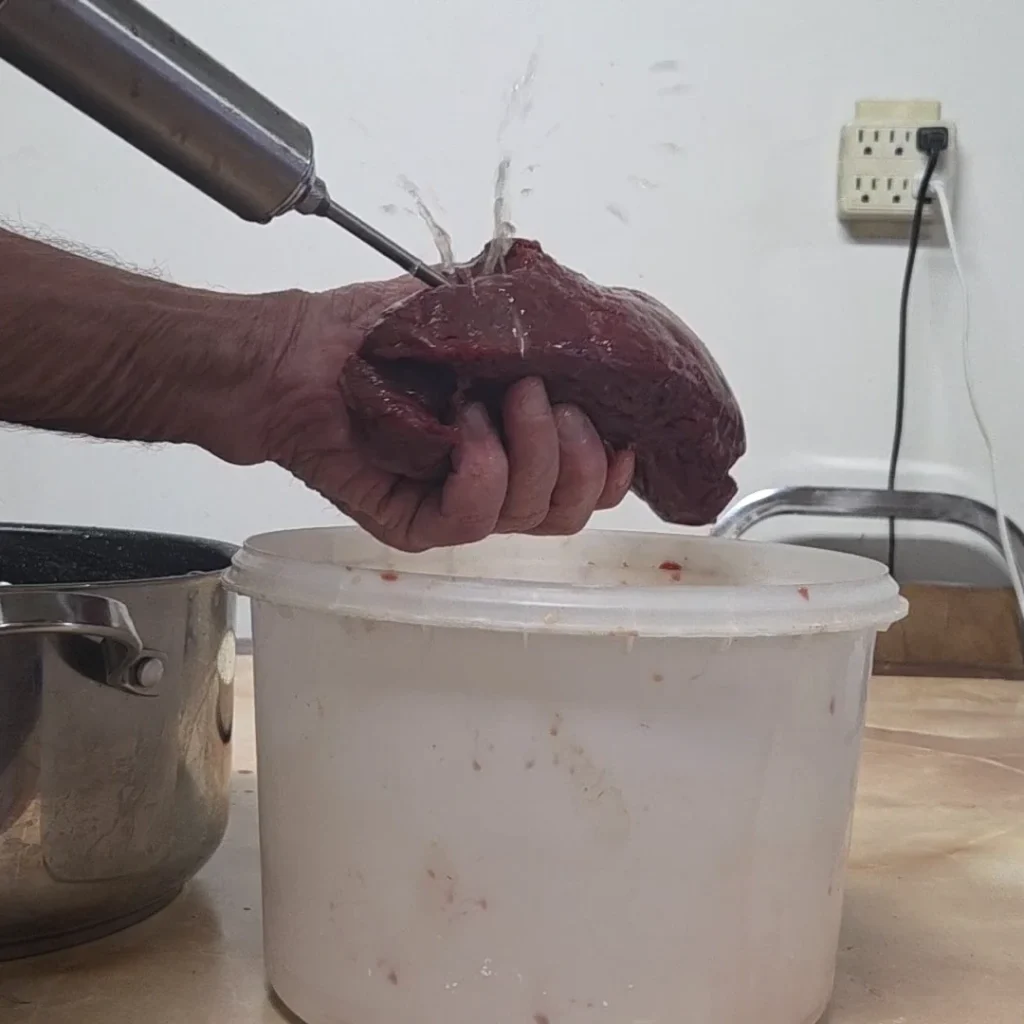
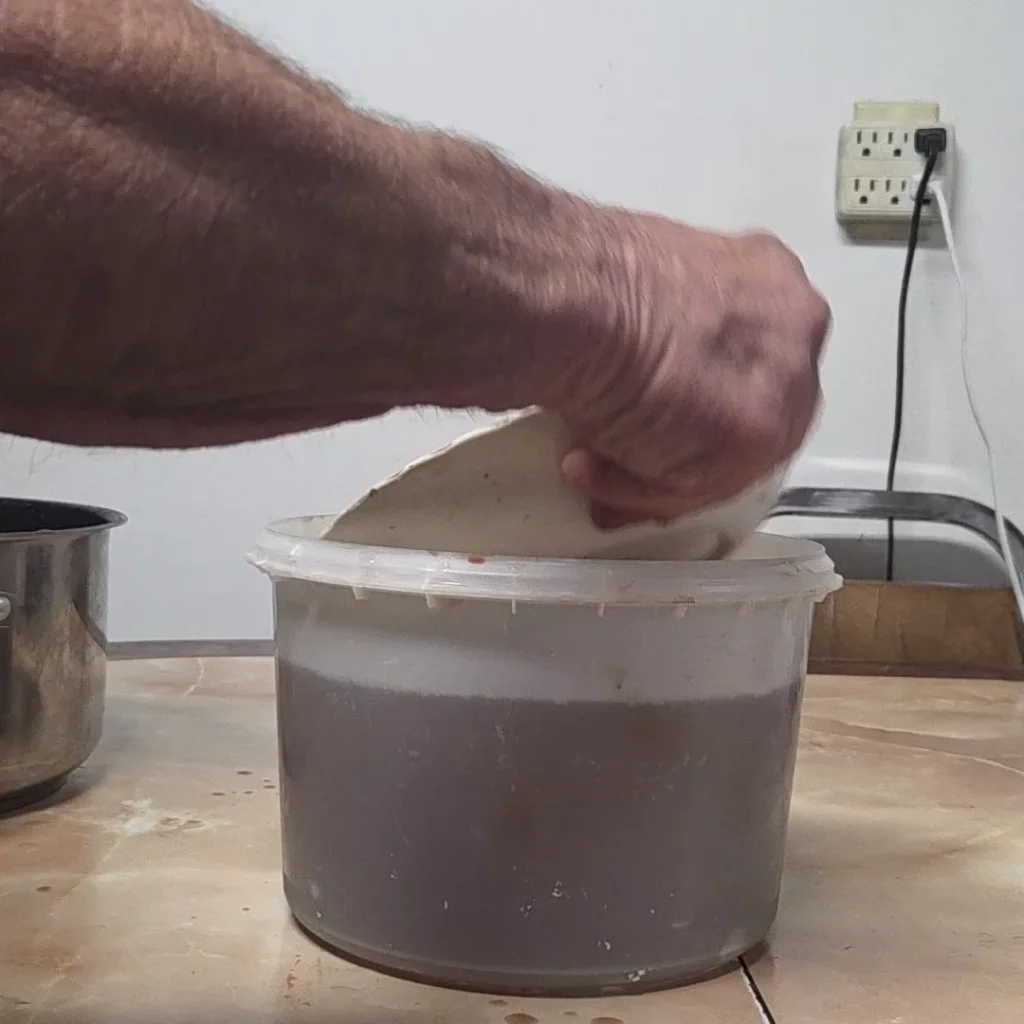
The roast stayed fully submerged in the brine, weighed down with a bowl, and refrigerated. I turned it once a day.
If you miss a day, it’s not a problem.
After the Brine
Because the weather was extremely cold at around -25°C (-13°F), I left the roast in the brine for twelve days instead of ten. Extra time in the brine is perfectly fine.
Once the brining time was up, I removed the roast, rinsed it well, and soaked it in clean water for about thirty minutes. After that, I patted it dry with paper towels.
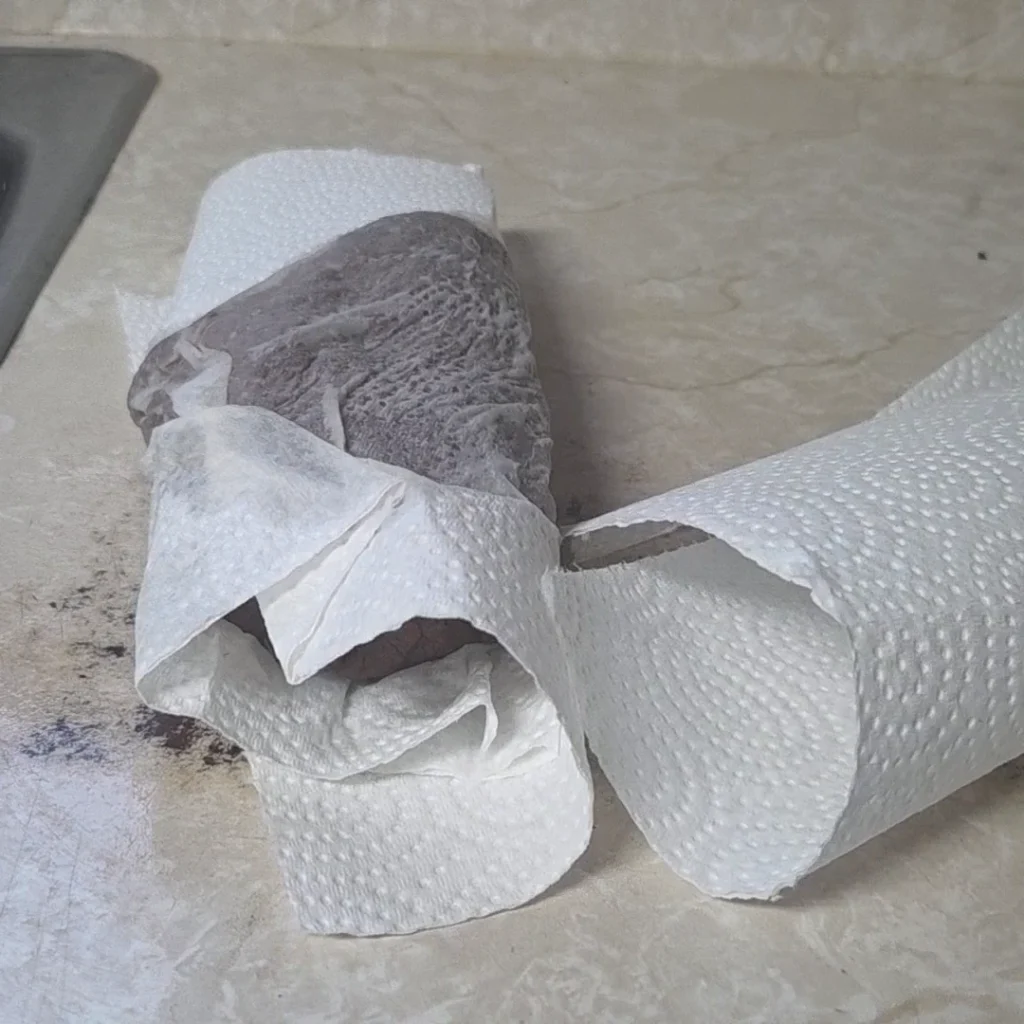
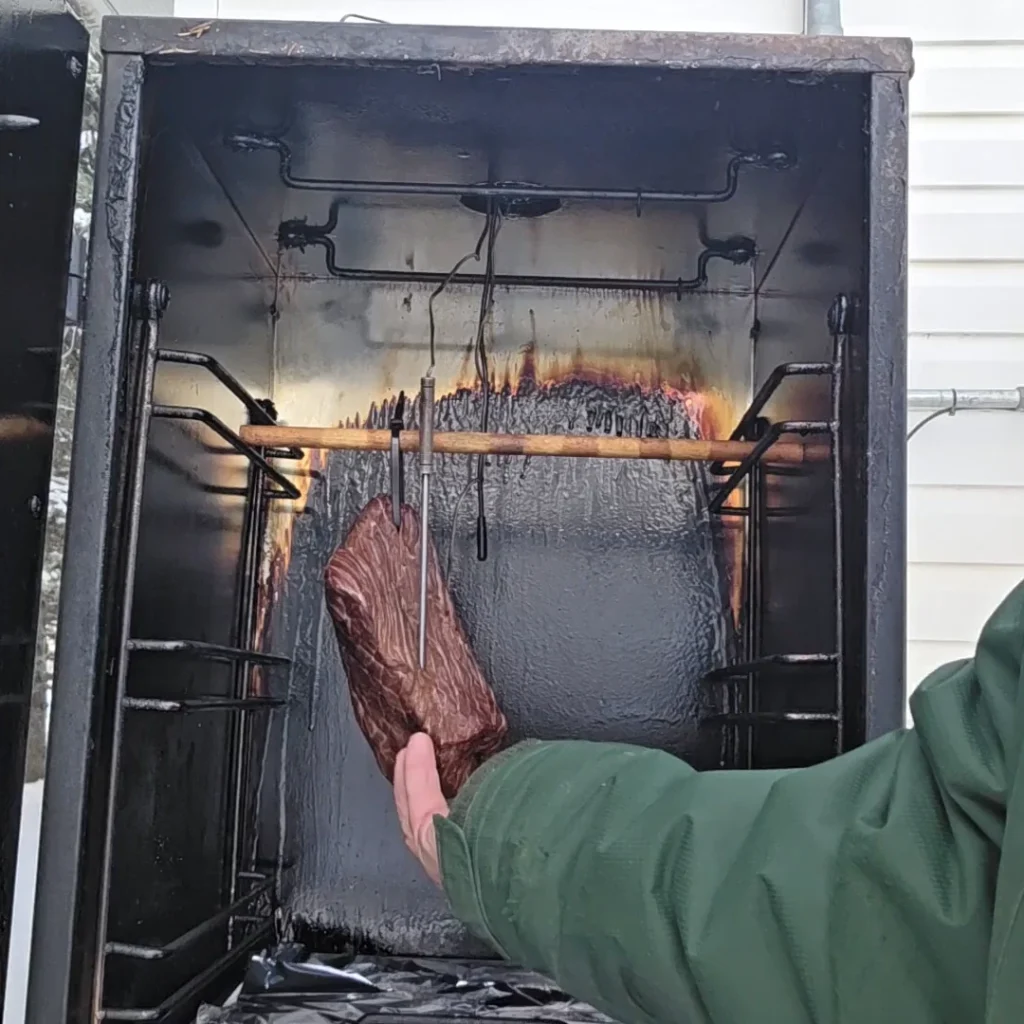
I ran a zip tie through the roast so I could hang it in the smoker.
Forming the Pellicle
Before adding any smoke, the surface of the meat needs to dry slightly. I hung the roast in the smoker at about 120°F with the vents wide open for roughly an hour.
You’re looking for a pellicle. The outside should feel slightly tacky. This step matters. Applying smoke to wet meat will leave you with a bitter, sooty flavor.
Smoking the Ham
Once the pellicle formed, I raised the smoker temperature to 150°F and started my A-MAZE-N pellet smoker. I placed it in the smoker and closed the vents about halfway.
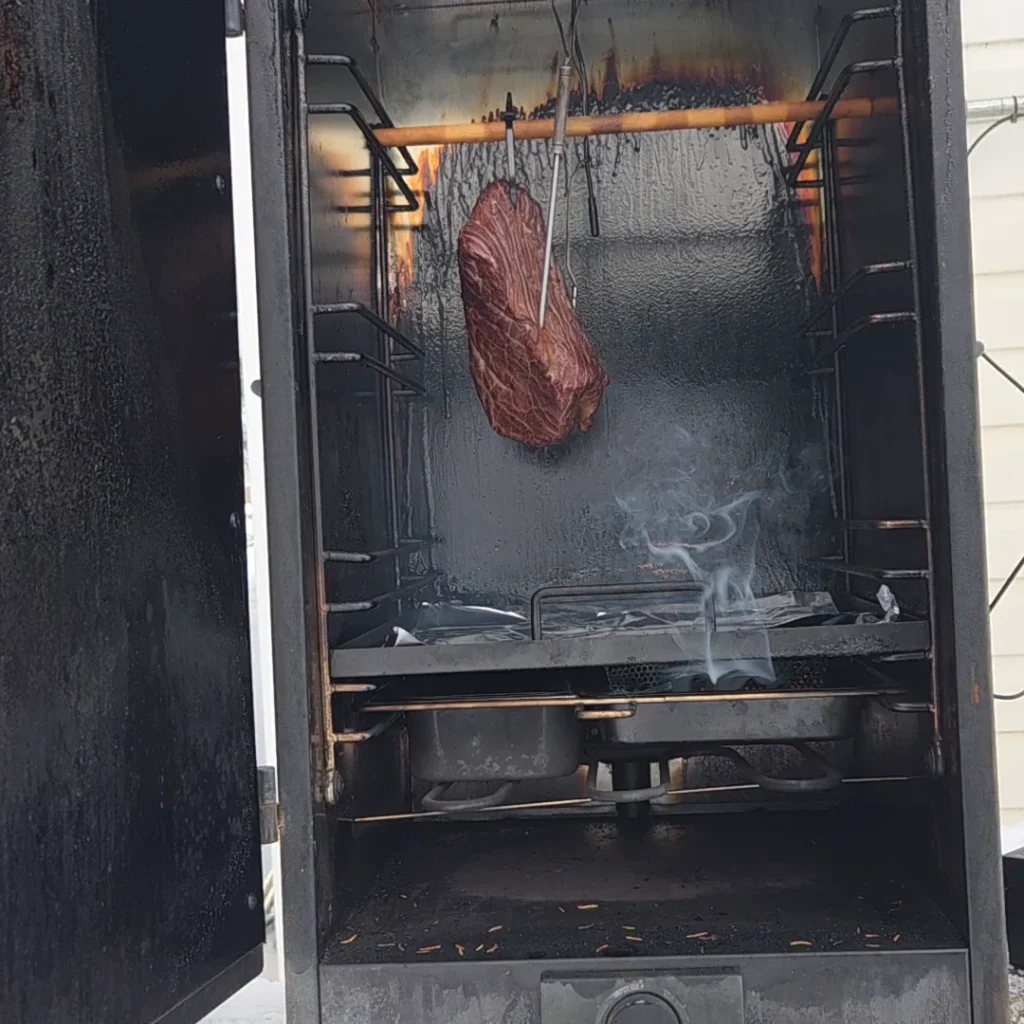
I let it smoke for about three and a half hours, which is plenty for a ham this size.
After the smoke phase, I increased the smoker temperature to 165°F and continued cooking until the internal temperature reached 142°F.
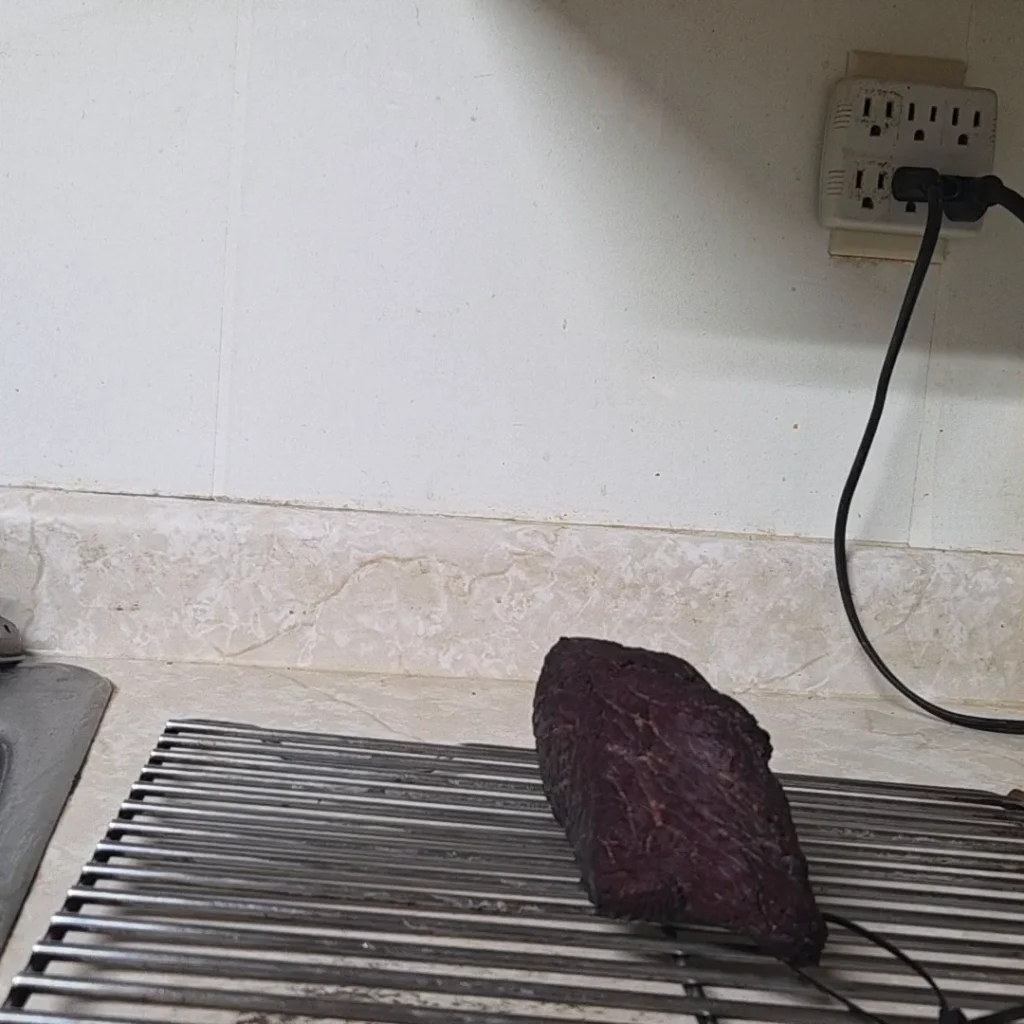
I pulled it at that point and let it rest. During resting, the internal temperature rose to 145°F, which is fully cooked for ham.
Letting the Flavor Set
After cooling, I wrapped the ham tightly in plastic wrap and placed it in the refrigerator for two days. This allows the smoke flavor to mellow and fully blend into the meat.
Slicing and Storing
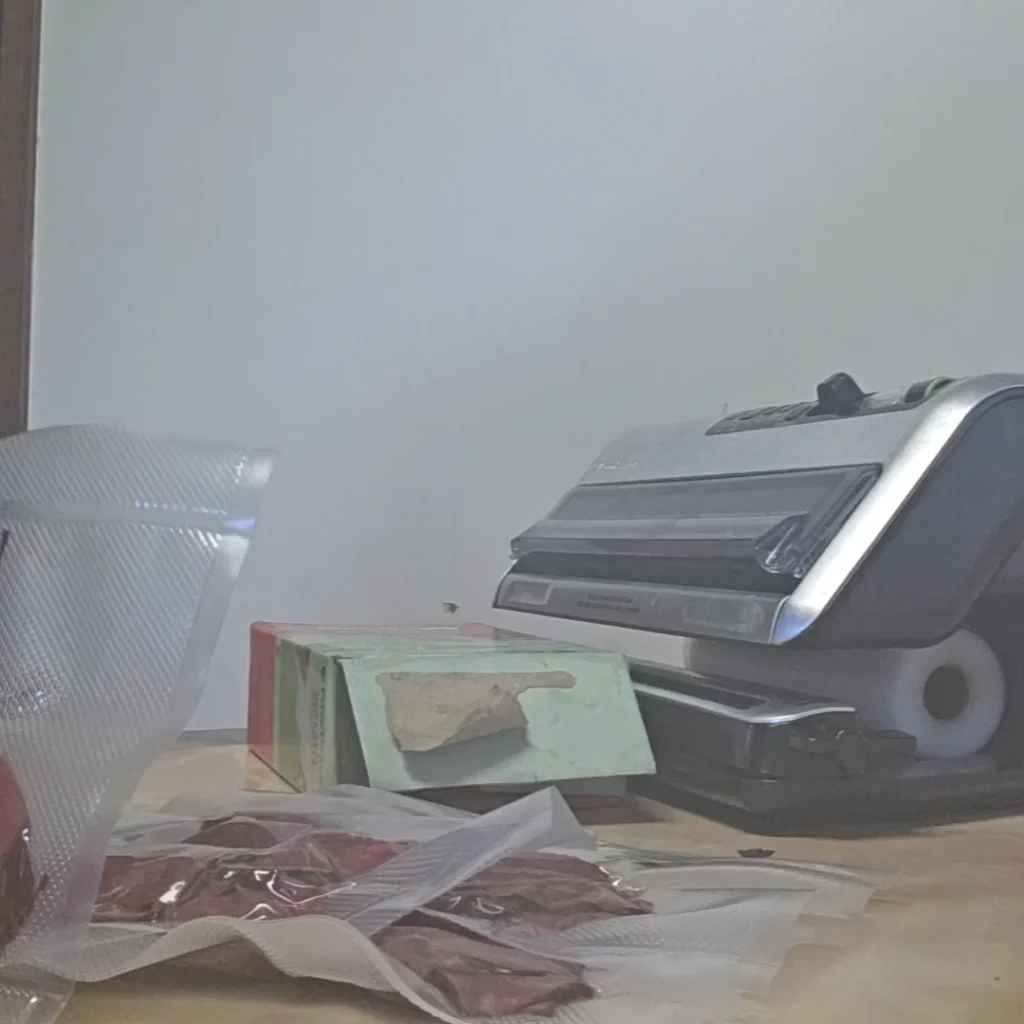
You can leave the ham whole, slice it into ham steaks, or partially freeze it and slice it thin for deli-style sandwiches.
I portioned the slices into sandwich-sized packs, vacuum sealed them, and froze them for long-term storage.
DIY Venison Ham
This homemade venison ham works with deer, moose, elk, bison, or even beef. It’s cured, smoked low and slow, and sliced thin for sandwiches or meal prep.
Ingredients
- 1½ lb outside round roast (venison, moose, elk, bison, or beef)
- 1 gallon water (16 cups)
- 1 cup granulated sugar
- ¾ cup pickling salt
- ½ cup brown sugar
- ½ cup maple syrup
- ⅓ cup lemon juice
- 1 tbsp garlic powder
- 1 tbsp onion powder
- 1 tbsp allspice
- 2 tsp black pepper
- 2 tbsp cure #1 (added only after brine cools)
Instructions
- Boil water, sugars, salt, spices, and lemon juice to dissolve. Cool completely.
- Add cure #1 to the cooled brine.
- Submerge roast, weigh it down, and refrigerate. Turn daily.
- Brine one day per ¼ inch thickness plus two extra days.
- Rinse, soak 30 minutes, pat dry.
- Hang in smoker at 120°F until a pellicle forms.
- Increase to 150°F and apply smoke for about 3–4 hours.
- Raise smoker to 165°F and cook to 142°F internal.
- Rest until internal reaches 145°F.
- Wrap and refrigerate two days before slicing.
Notes
- Inject brine for roasts over 2 inches thick.
- Extra brine time is safe if needed.
- Vacuum sealing extends storage life.
Frequently Asked Questions
Can you make ham from venison, moose, or other wild game?
Yes! Venison, moose, elk, bison, and even beef all work using a wet brine and cure #1. The process is largely the same for these meats as long as the cut is a whole muscle roast and brining time is adjusted for thickness.
What cut of meat is best for making venison ham?
Outside round is ideal because it’s lean, uniform in thickness, and cures evenly. Similar whole-muscle roasts from other wild game or beef also work well.
How long should venison be brined?
One day per quarter inch of thickness, plus two extra days. For a 2-inch roast, that equals about 10 days. Extra time is generally safe.
Do you need to inject the brine?
Injection is recommended for roasts over 2 inches thick to distribute the cure evenly. Even slightly thinner roasts can benefit from it for consistent flavor and safety.
Why should cure #1 not be added to hot brine?
Heat degrades the curing salts, making them less effective at preventing botulism. Always add cure #1 after the brine has completely cooled.
What is a pellicle and why is it important?
A pellicle is a tacky surface that forms on the meat before smoking. It helps the smoke stick and prevents bitter or sooty flavors.
What internal temperature is venison ham considered done?
Fully cooked venison ham reaches about 145°F. Removing it at 142°F and letting it rest allows it to reach the final temperature safely.
How should homemade venison ham be stored?
Ham can be left whole or sliced. For long-term storage, slice and vacuum seal portions before freezing.

Leave a Reply